
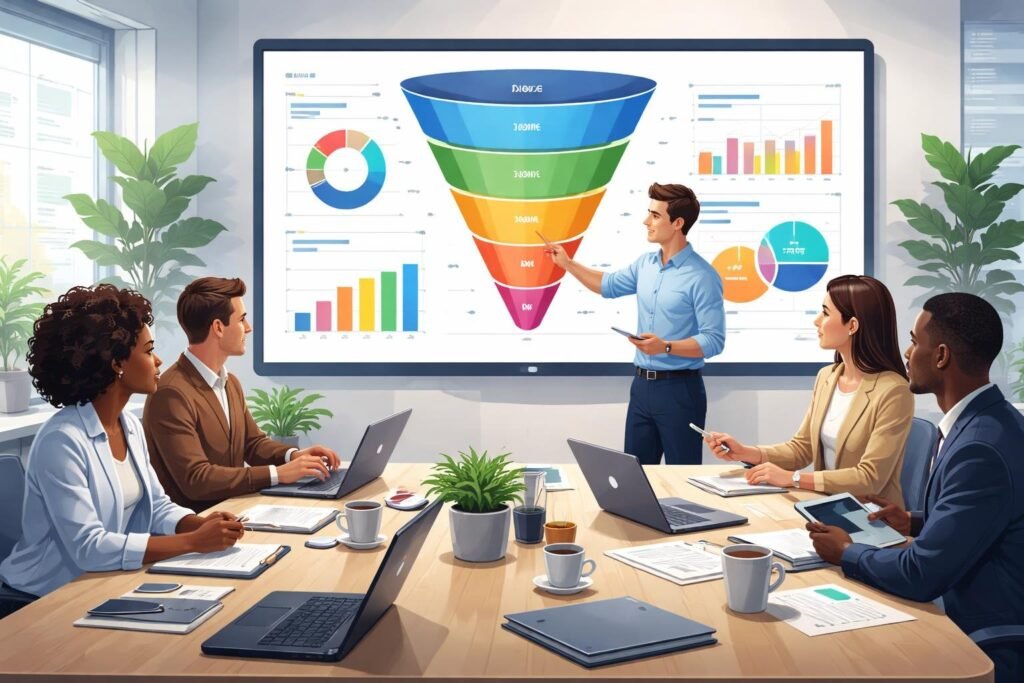
ClickFunnels has helped thousands of businesses turn website visitors into paying customers through smart sales funnels. But does it really work? The best way to find out is by looking at real examples from companies that have used it.
ClickFunnels case studies show how businesses across different industries have increased their sales and conversion rates by using the platform’s tools and features. From small online stores to large coaching programs, these real-world examples give us a clear picture of what works and what doesn’t. We can learn from their wins and mistakes to build better funnels for our own businesses.
In this article, we’ll walk through actual case studies and break down the strategies that led to success. We’ll explore the key features that made a difference, look at specific conversion numbers, and see how different businesses used ClickFunnels to grow. Whether you’re just starting out or looking to improve your current funnels, these examples will give you practical ideas you can use right away.
What Are ClickFunnels Case Studies?
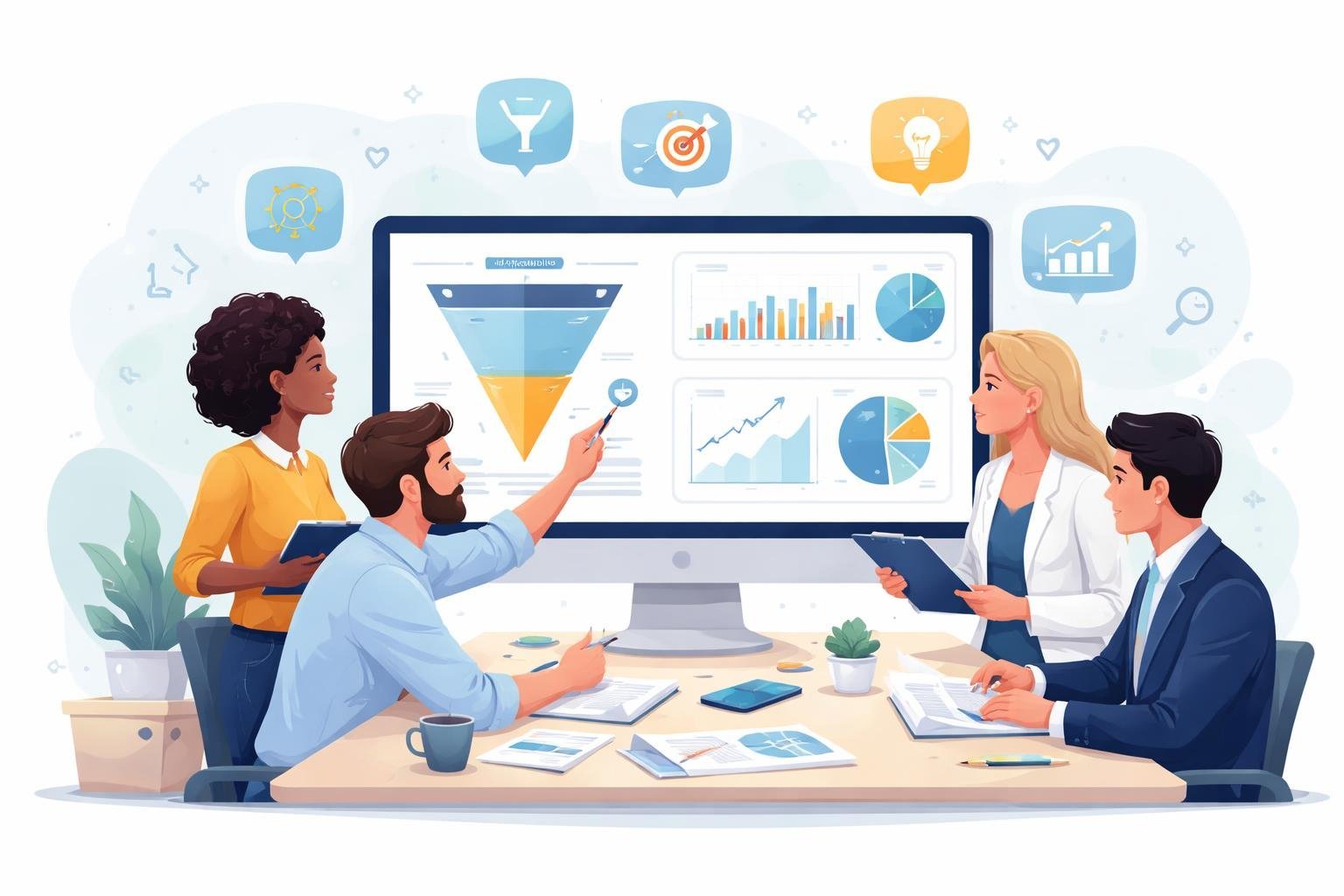
ClickFunnels case studies show us real examples of how businesses use the platform to grow their sales and improve their marketing results. These stories give us specific details about what worked, what didn’t, and the actual numbers behind each success.
Definition and Purpose
ClickFunnels case studies are detailed reports that show how real businesses used the platform to build their sales funnels and achieve their goals. Each case study walks us through the specific steps a company took, from creating their first funnel to getting actual results.
The main purpose of these case studies is to give us proof that the strategies work in real situations. They show us the exact funnels businesses created, the marketing strategy they used, and the results they got. We can see conversion rates, revenue numbers, and how long it took to see success.
These case studies also help us understand the problems other businesses faced and how they solved them. This saves us time because we can learn from their mistakes instead of making the same ones ourselves.
Importance for Entrepreneurs and Marketers
We need case studies because they show us what’s actually possible with ClickFunnels. Instead of just hearing claims about what the platform can do, we see real proof from businesses like ours.
Case studies give us a clear picture of how different types of businesses use sales funnels. An e-commerce store might use ClickFunnels differently than a service-based business or a course creator. By looking at case studies from our specific industry, we can find strategies that will likely work for us too.
These real-world examples also help us set realistic goals and expectations. We can see how much time and effort other businesses put in before they saw results. This helps us plan our own marketing strategy and know what to expect.
Types of Case Studies
We can find several different types of ClickFunnels case studies. Revenue growth case studies focus on businesses that increased their sales, like companies that grew from startup to $100 million or more in annual revenue.
Lead generation case studies show us how businesses built funnels to collect contact information and turn visitors into potential customers. These often include specific conversion rates and the number of leads generated.
Industry-specific case studies focus on particular types of businesses. We might see examples from e-commerce stores, coaching businesses, software companies, or online course creators. Each industry uses funnels in unique ways based on their specific needs and customer behavior.
Key Elements of Successful ClickFunnels Sales Funnels
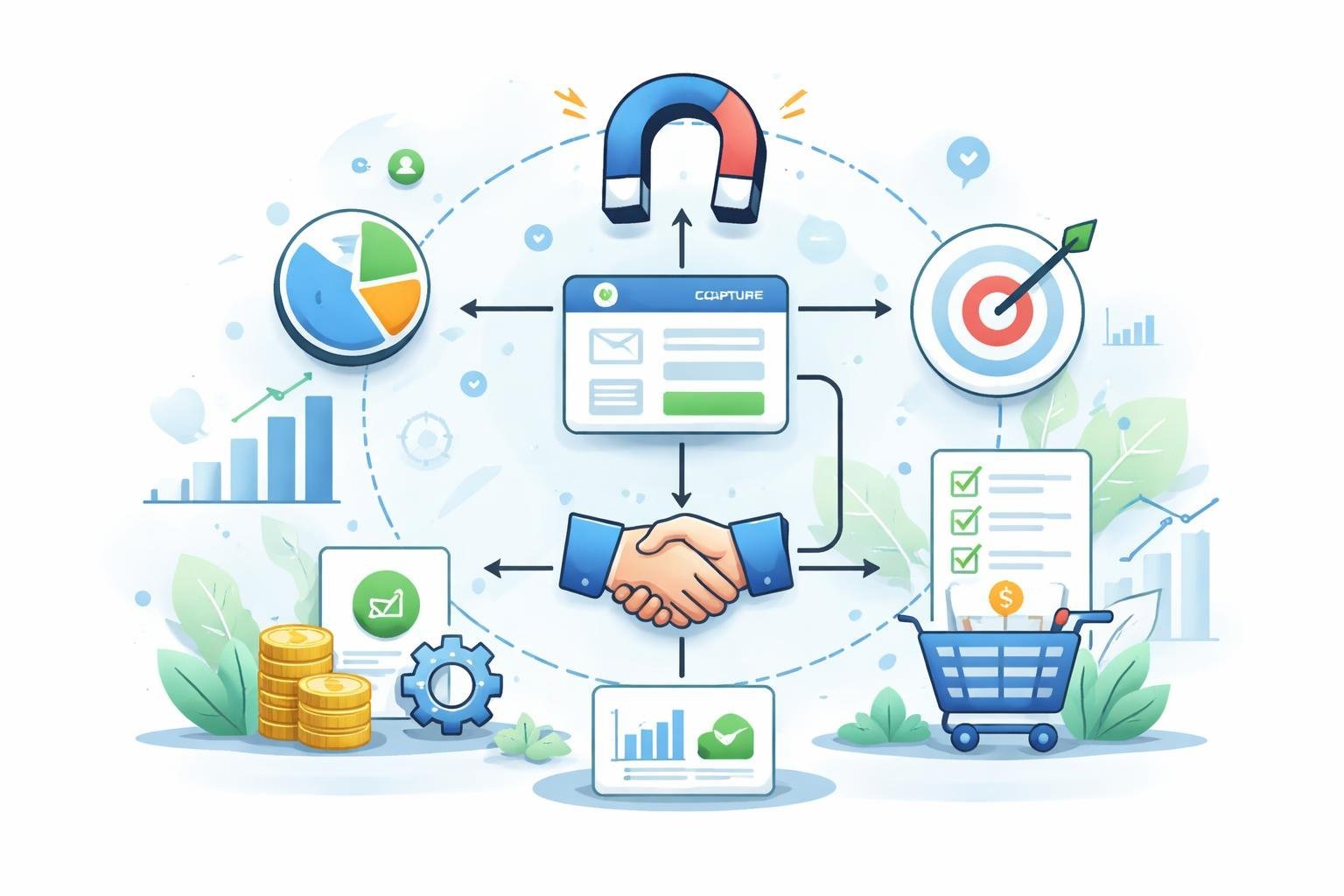
The most successful sales funnels share common traits that drive conversions and keep customers engaged. We’ve found that the structure of your funnel, the user experience it provides, and how well you integrate lead magnets with email marketing make the biggest difference in results.
Funnel Structures and Conversion Paths
A well-designed funnel guides potential customers through specific stages without confusion or dead ends. We start with a landing page that focuses on one clear action, whether that’s claiming a free offer or watching a short video.
The conversion path should feel natural. Each page needs to connect logically to the next one. We typically use a sequence that moves from awareness to interest, then to decision and action.
Simple funnels often work best. A basic structure might include a landing page, a checkout page, and a thank you page. More complex funnels can add upsells, downsells, and webinar registrations. The key is matching the funnel type to what you’re selling.
We’ve seen that reducing the number of steps increases the conversion rate in most cases. Every extra click is a chance for someone to leave.
User Experience and Funnel UI
The UI needs to be clean and easy to navigate. We make sure buttons stand out and forms are simple to fill out. A confusing layout will kill your conversion rate faster than anything else.
Mobile responsiveness matters more than ever. Most people browse on their phones, so we test every funnel on multiple devices. Text should be readable without zooming, and buttons need to be large enough to tap easily.
Loading speed affects user experience directly. We compress images and remove unnecessary scripts to keep pages fast. Even a two-second delay can cause people to leave.
The design should match your brand while keeping the focus on conversions. We use white space to highlight important elements and choose colors that guide the eye to call-to-action buttons.
Integration of Lead Magnets and Email Marketing
Lead magnets work as the entry point for most successful funnels. We offer something valuable for free in exchange for an email address. This could be an ebook, checklist, video training, or template.
The funnel builder should connect directly to your email marketing platform. Automation starts the moment someone opts in. We send a welcome email immediately, then follow up with a series of emails that build trust and provide value.
Your email sequence needs to match the customer journey. Early emails focus on delivering the lead magnet and teaching useful concepts. Later emails introduce paid products when the timing feels right.
We segment our email lists based on funnel behavior. Someone who abandons a checkout page gets different messages than someone who completes a purchase. This targeted approach improves engagement and sales over time.
Real-World ClickFunnels Case Studies
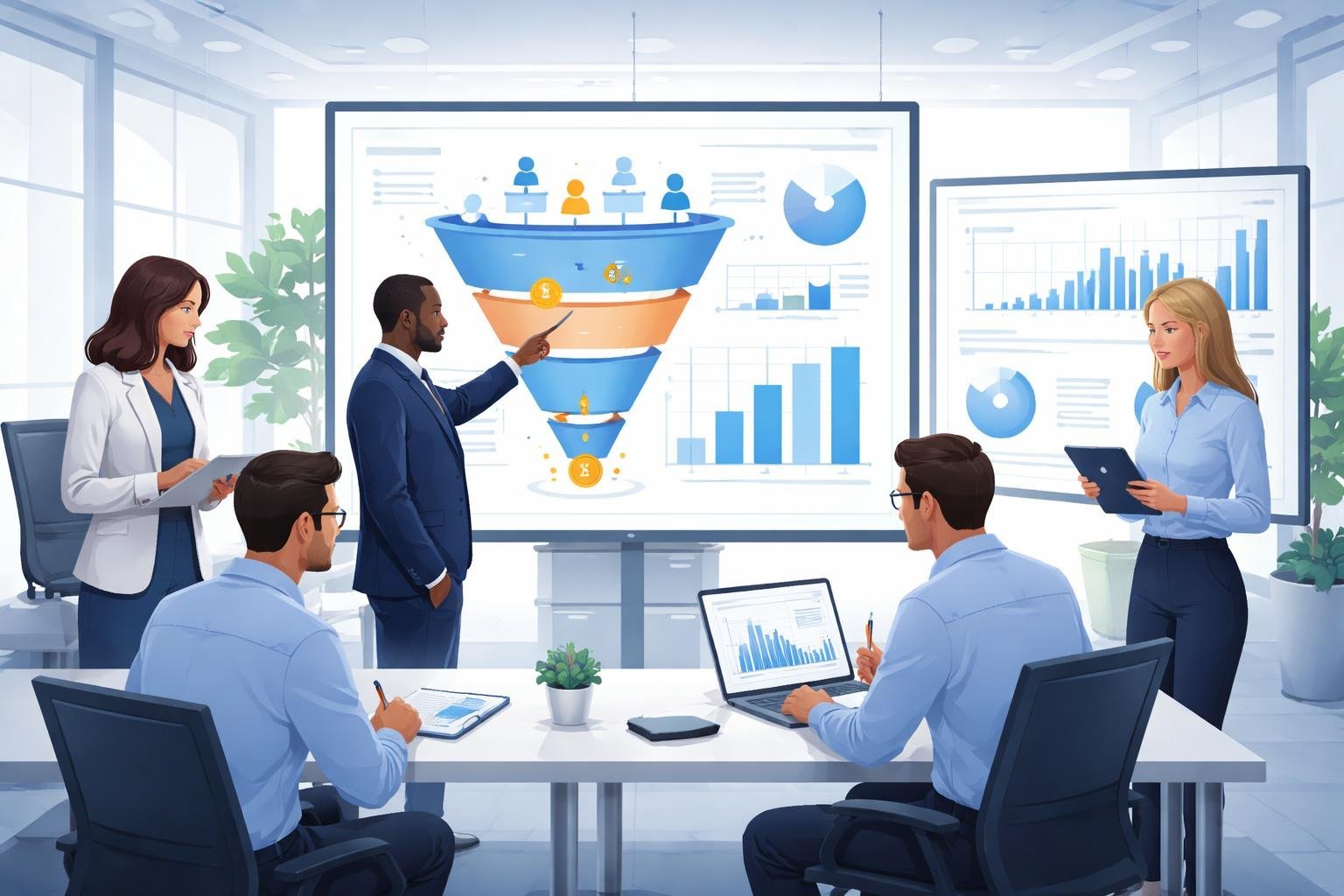
Businesses across different industries have used ClickFunnels to grow their revenue and customer base. From online stores to coaching programs, these case study examples show how sales funnels work in practice.
Ecommerce Sales Funnel Success Stories
Online stores have found success with ClickFunnels by creating simple checkout processes that increase sales. One popular approach uses a product landing page that highlights benefits and includes customer reviews. The funnel then leads to an order form with upsells and downsells.
A supplement company built a funnel that starts with a quiz to recommend products. After the quiz, customers land on a custom page showing their results and product matches. This approach increased their conversion rate by focusing on what each customer needed.
Key elements of successful ecommerce funnels:
- Clear product images and descriptions
- Trust signals like reviews and guarantees
- One-click upsells after the main purchase
- Cart abandonment emails
Many ecommerce businesses add a bump offer at checkout. This small addition can boost average order value by 20-30% without extra traffic.
Lead Generation and List Building Examples
Service businesses use ClickFunnels to generate leads through free resources. A common approach offers an ebook, checklist, or guide in exchange for an email address. The landing pages focus on one clear benefit and remove distractions.
A real estate agent created a neighborhood guide funnel. Visitors enter their email to download local market data. The funnel then sends automated emails with listings and tips. This simple setup brought in 200+ qualified leads per month.
Effective lead generation tactics:
- Specific problem-solving content
- Short forms with minimal fields
- Thank you pages with next steps
- Automated email sequences
We’ve seen case study results where businesses doubled their email list size in 90 days. The key is offering something valuable that solves a specific problem for the target audience.
Webinar and Coaching Funnels
Coaches and consultants rely on webinar funnels to book calls and sell programs. The typical webinar funnel includes a registration page, reminder emails, the webinar itself, and a replay page. Many add a limited-time offer at the end to create urgency.
A business coach ran a webinar funnel teaching marketing basics. Attendees who stayed until the end saw an offer for a group coaching program. The funnel generated $85,000 in sales from a single webinar with 300 attendees.
Coaching businesses often combine webinars with application funnels. After the webinar, interested people fill out a form to book a strategy call. This filters out people who aren’t ready to invest.
Membership and Subscription Funnels
Subscription-based businesses use ClickFunnels to sign up recurring customers. These funnels usually offer a trial period or discounted first month. The goal is to lower the barrier to entry and prove value quickly.
An online fitness program created a 14-day trial funnel. New members get access to beginner workouts and meal plans. Email reminders during the trial encourage engagement. The funnel converts 40% of trial users to paying members.
Common subscription funnel features:
- Free or low-cost trial offers
- Onboarding email sequences
- Member login pages
- Upsells to higher tiers
We notice that successful membership funnels focus on quick wins. Getting new members a result in the first week increases the chance they’ll stay subscribed long-term.
Optimizing ClickFunnels Funnels for Higher Conversion Rates
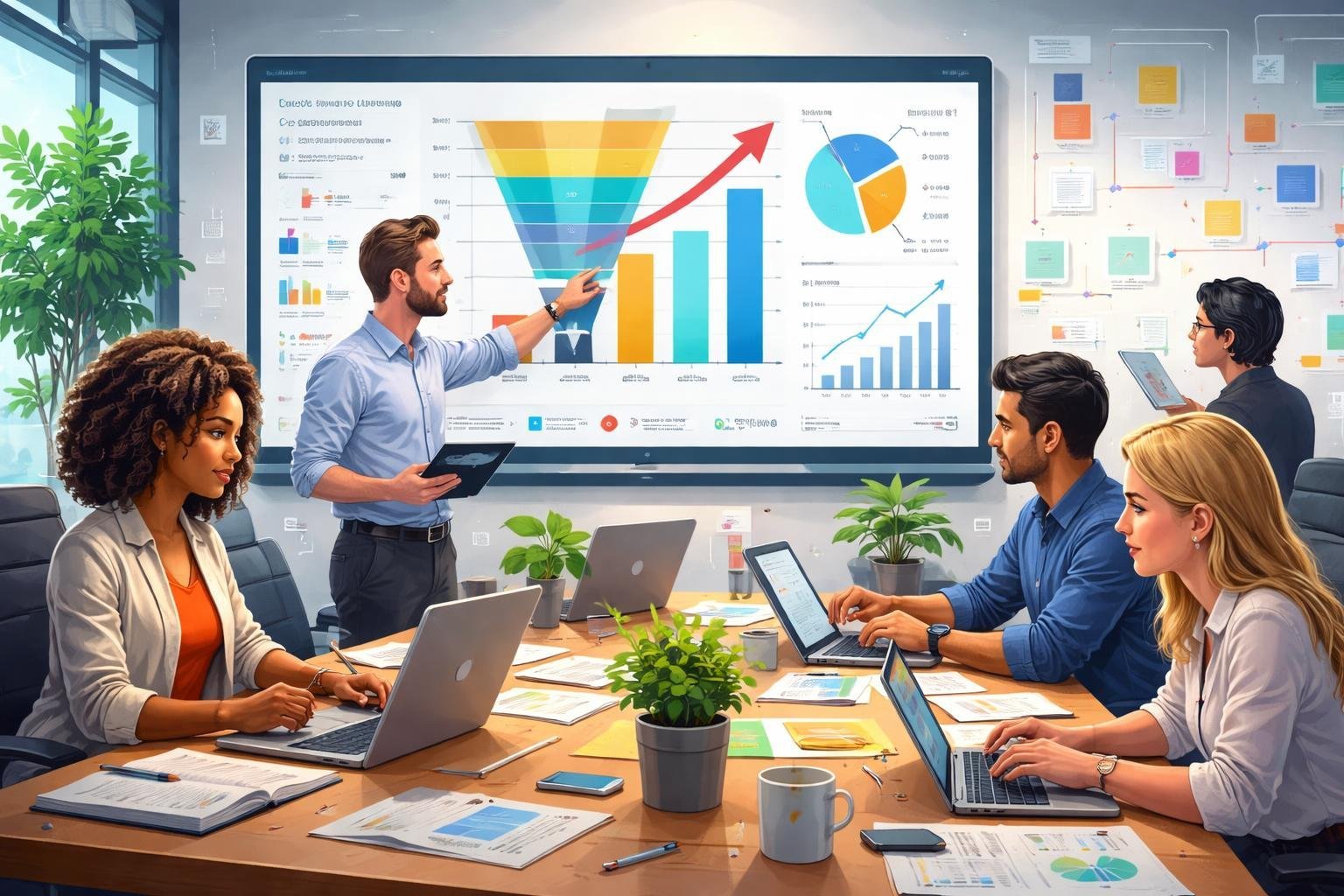
Getting better conversion rates means testing what works, using data to make smart choices, and showing visitors they can trust you. We can boost our funnel performance by focusing on split testing, reaching the right customers, and proving our value through real feedback.
A/B Testing and Analytics Tools
A/B testing lets us compare two versions of a page to see which one performs better. We change one thing at a time, like a headline or button color, and track which version gets more conversions.
The built-in analytics tools in ClickFunnels show us where visitors drop off in our funnel. We can see how many people click our buttons, fill out forms, or make purchases. This data tells us exactly what needs fixing.
Key elements to test:
- Headlines and subheadlines
- Call-to-action button text and colors
- Form length and field placement
- Images and videos
- Price presentation
We should run each a/b test for at least a week to get reliable results. Small changes can make a big difference in conversion rates. When we find a winner, we implement it and then test something else.
Enhancing Customer Acquisition with Digital Marketing
We need to drive the right traffic to our funnels for them to work well. Online marketing channels like Facebook ads, Google ads, and email campaigns bring potential customers to our pages.
Creating targeted ads helps us reach people who actually want what we offer. We match our ad message to what we promise on the landing page. This keeps visitors from getting confused when they click through.
We can also use retargeting to reach people who visited our funnel but didn’t convert. These warm leads already know about us, so they often convert at higher rates. Email marketing works great for nurturing leads through our funnel over time.
Testimonial and Social Proof Strategies
Testimonials from real customers build trust with new visitors. We place them on key pages where people make decisions about moving forward. Video testimonials work especially well because people can see and hear satisfied customers.
Effective social proof elements:
- Customer reviews with photos
- Number of users or customers
- Trust badges and certifications
- Case study results with specific numbers
- Media mentions or awards
We should use specific testimonials that mention real results rather than vague praise. Numbers matter too, like “increased sales by 40%” instead of “got great results.” Placing these trust signals near our call-to-action buttons helps reduce buyer hesitation and improves our conversion rates.
Strategic Features and Integrations That Power ClickFunnels
ClickFunnels works because it combines payment processing, email tools, and smart offer structures into one system. These features help businesses automate their sales process and convert more visitors into customers.
Payment Gateways and Email Automation
We can connect ClickFunnels to major payment gateways like Stripe, PayPal, and other processors to handle transactions directly within our funnels. This means customers never leave our sales page to complete a purchase.
The email automation feature lets us create sequences that follow up with leads automatically. We can build campaigns using email templates or design custom messages that match our brand. These emails trigger based on where someone is in our funnel, whether they bought something, abandoned their cart, or just signed up.
ClickFunnels also works with popular email platforms through native integrations and Zapier. We can connect to Mailchimp, ActiveCampaign, or other CRM systems we already use. This keeps all our customer data in sync across different tools without manual updates.
Guarantees and Offer Structuring
We can add money-back guarantees directly into our sales pages to reduce buyer hesitation. ClickFunnels makes it easy to display these guarantees prominently, whether it’s 30 days, 60 days, or longer.
The platform lets us structure offers with multiple options. We can create one-time offers, upsells, downsells, and order bumps all in the same funnel. This increases the average order value without needing separate pages or complicated setups.
Store Funnels combine traditional shopping cart features with funnel-building tools for physical products. We can manage inventory, calculate shipping, and process orders all in one place. The drag-and-drop editor makes it simple to test different offer presentations and find what works best.
Funnel Builder Secrets and Exclusive Offers
Funnel Builder Secrets is ClickFunnels’ training program that teaches their proven funnel strategies. It includes templates and blueprints based on real campaigns that have generated millions in sales.
The program gives us access to pre-built funnels for different business types. We get examples for e-commerce, lead generation, webinars, and membership sites. These templates save us hours of design work and testing.
We also get exclusive features and tools not available in standard plans. This includes priority support, additional funnel templates, and advanced training materials. The A/B testing feature built into the platform lets us experiment with different headlines, images, and calls-to-action to improve our conversion rates over time.
Building Authority and Scaling Impact with ClickFunnels
ClickFunnels helps businesses build authority and scale through proven funnel strategies, expert leadership, and integrated marketing tools. We can learn from real success stories and use the platform’s features to grow our own businesses.
Russell Brunson’s Role and Success Stories
Russell Brunson co-founded ClickFunnels and built it into a company generating over $140 million in annual revenue without outside funding. He started the platform with co-founder Todd Dickerson and reached $100 million in revenue in just three years.
Brunson established himself as a leading voice in funnel building. His LinkedIn content strategy helped him gain over 3.8 million impressions and position himself as the go-to expert in the field.
He created Funnel Hacking Live, an annual event that now draws nearly 5,000 attendees each year. This event shows how ClickFunnels built a community around its brand. Brunson also wrote books and created training programs that taught people how to use sales funnels effectively.
Scaling Your Business with Funnel Examples
ClickFunnels grew to $265 million by using different types of sales funnels. We can apply these same funnel examples to our own businesses.
Common ClickFunnels funnel types include:
- Webinar funnels for selling courses and coaching
- eBook funnels for lead generation
- Challenge funnels for building engagement
- Landing pages for capturing email addresses
- Order forms with upsells and downsells
- Membership sites for recurring revenue
Companies like Writing Income Accelerator used ClickFunnels to build 7-figure businesses. The platform lets us create sales pages and order forms without needing technical skills. We can test different funnel designs to see what works best for our audience.
CRM, Email Blasts, and Additional Integrations
ClickFunnels includes customer relationship management features that help us track leads and customers. We can manage our contacts and see where they are in our sales process.
The platform lets us send email blasts directly to our list. We can also connect ClickFunnels with email tools like Mailchimp if we prefer to use our existing email system.
These integrations help us automate our marketing. When someone joins our list, we can automatically send them a series of emails. We can tag contacts based on what pages they visit or what products they buy. This helps us send the right messages to the right people at the right time.