
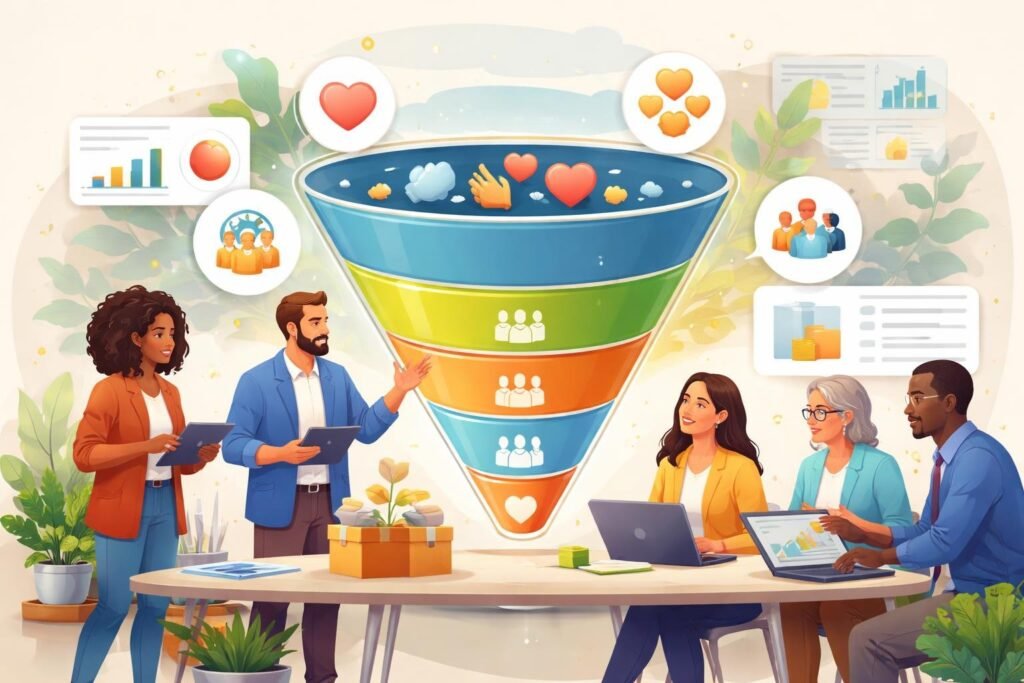
Nonprofits face a unique challenge when it comes to fundraising. You need to connect with donors, share your mission, and make it easy for people to support your cause. But doing all of this online can feel complicated and expensive.
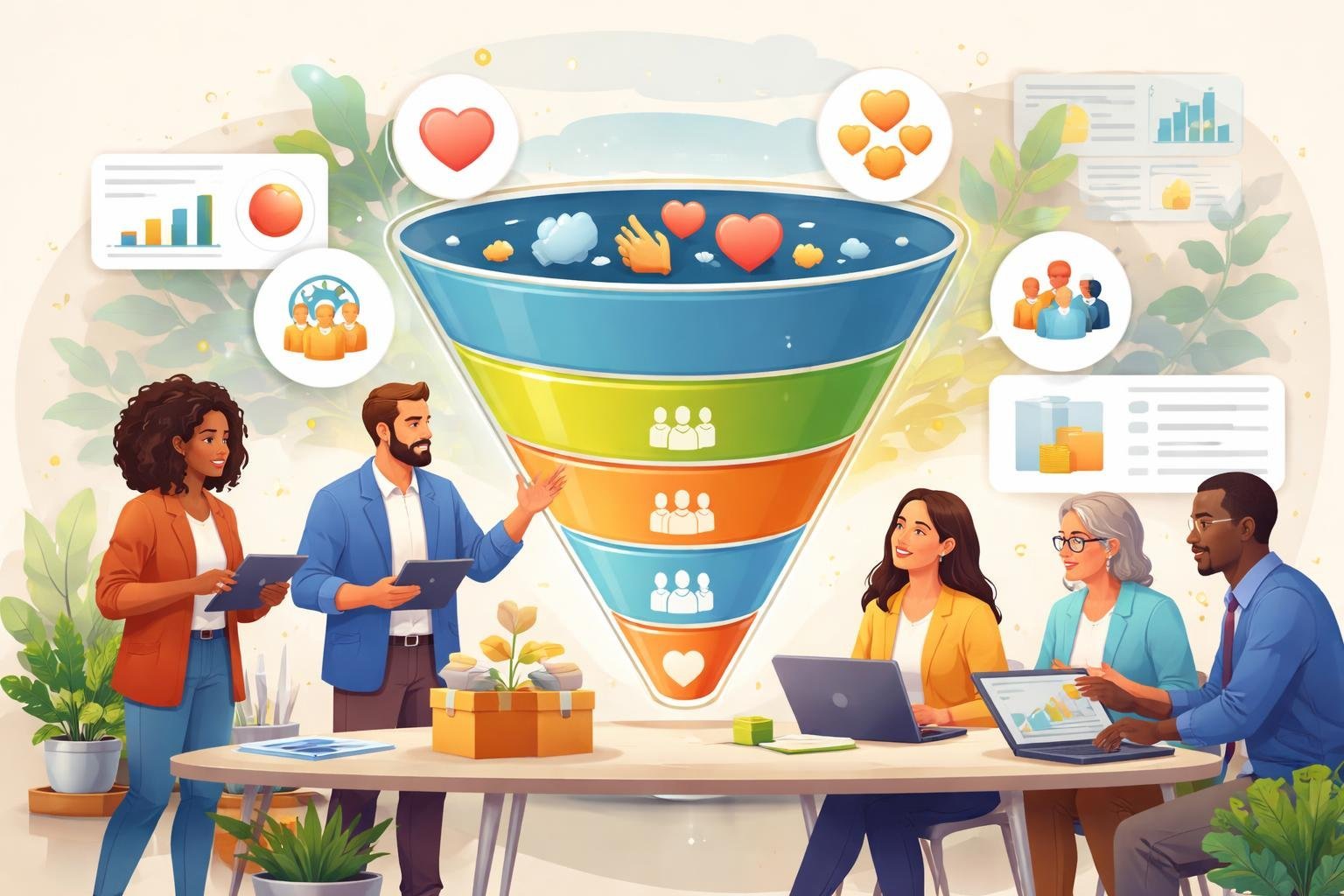
ClickFunnels for nonprofits offers a way to build donation pages and fundraising campaigns without needing tech skills or multiple software tools. Instead of piecing together different programs, you can create a complete system that guides potential donors from learning about your work to making a contribution. This approach helps nonprofits save time and focus more on their mission.
In this guide, we’ll walk through how ClickFunnels works for nonprofits and what makes it different from other tools. We’ll cover the main benefits, show you how to build effective funnels, and explain the features that matter most for fundraising. You’ll also learn about pricing options and how to optimize your campaigns to reach more supporters.
What Is ClickFunnels and Why Nonprofits Use It
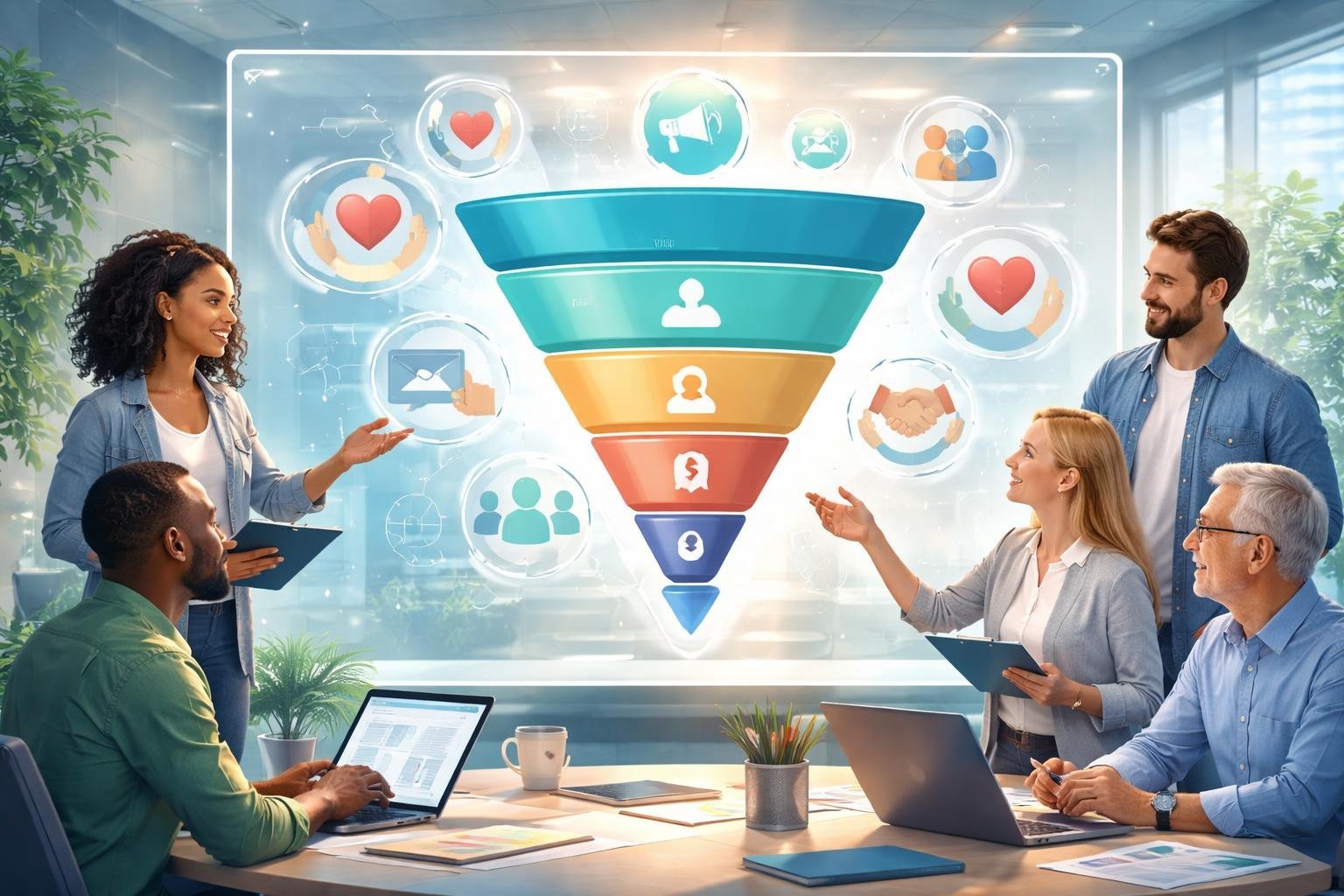
ClickFunnels is a website builder designed to guide visitors through specific steps that lead to action, and nonprofits use it because traditional websites often leave donors confused about how to help. The platform creates clear pathways that turn awareness into donations.
Understanding the ClickFunnels Platform
ClickFunnels is marketing software that Russell Brunson and Todd Dickerson created in 2014. The current version is ClickFunnels 2.0.
Unlike regular website builders, ClickFunnels focuses on creating sales funnels. These are step-by-step pages that guide people toward one specific goal. For nonprofits, that goal is usually getting donations or building a community of supporters.
The platform gives us templates we can customize. We don’t need to know how to code. We can tell our organization’s story and show our impact through these templates.
ClickFunnels combines many tools in one place. We can collect email addresses, process donations, and track how many people take action. This saves us from using multiple different programs that don’t work together well.
Why Traditional Websites Fall Short for Nonprofits
Traditional websites give visitors too many choices. Someone might visit our homepage and see dozens of links. They can read about our mission, check our blog, browse events, or view team photos. With so many options, they often leave without donating.
Many nonprofits struggle to reach their funding goals because traditional websites don’t guide people clearly. A visitor might care about our cause but not know what to do next.
Regular websites also make it hard to raise awareness among the right people. We need to connect with donors who care about our specific mission. Traditional sites cast a wide net instead of targeting the supporters who are most likely to help us.
The Role of Sales Funnels in Nonprofit Growth
Sales funnels work differently than regular websites. They take someone through a journey from stranger to supporter.
Here’s what that journey looks like:
- Stranger: Someone who doesn’t know about our cause yet
- Visitor: They found our funnel and are learning about us
- Supporter: They signed up for updates or followed us
- Donor: They contributed money to our mission
- Evangelist: They tell others about our cause
Each step moves people closer to helping our nonprofit. The funnel removes distractions and focuses on one action at a time. First, we might ask for an email address. Then we share stories that show our impact. Finally, we make it easy to donate.
This approach helps us expand our reach and increase donations. We can track exactly where people drop off and improve those specific steps.
Key Benefits of ClickFunnels for Nonprofits
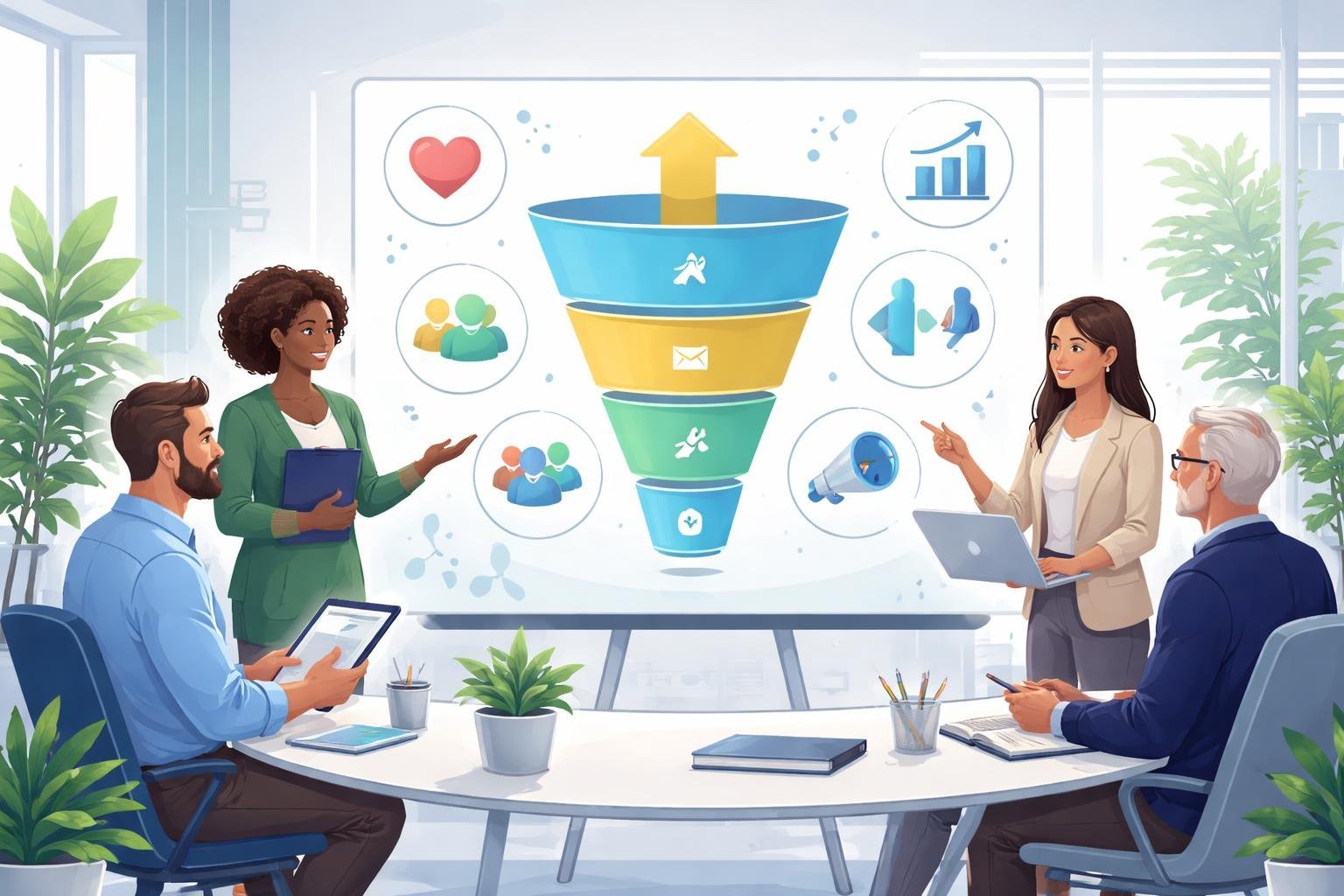
ClickFunnels helps nonprofits collect more donations, reach new supporters, and save valuable time through built-in tools. These benefits work together to strengthen our fundraising efforts while letting us focus on our mission instead of technical details.
Boosting Online Fundraising and Donations
ClickFunnels gives us the tools we need to turn website visitors into donors. The platform offers templates designed specifically for donation pages that guide supporters through a simple giving process. We can add payment options, create recurring donation plans, and track which pages bring in the most money.
The system includes features like progress bars that show fundraising goals and countdown timers for time-sensitive campaigns. These elements encourage people to give right away instead of waiting. We can also set up different donation amounts with one-click buttons that make giving quick and easy.
Email marketing connects directly to our funnels so we can follow up with donors automatically. When someone gives for the first time, we can send them a thank you message and share updates about how their money helps. This builds relationships that lead to repeat donations over time.
Raising Awareness and Attracting Supporters
We can use lead magnets to grow our supporter base and raise awareness about our cause. A lead magnet might be a free guide, report, or resource that people download in exchange for their email address. This gives us permission to stay in touch and share our mission.
Lead generation pages help us capture contact information from people interested in our work. We can create different pages for different audiences or campaigns. Someone interested in volunteer opportunities might see different content than someone looking to sponsor a specific program.
Our community grows when we make it easy for supporters to share our message. ClickFunnels lets us add social sharing buttons and create referral programs that reward people for spreading the word. Each new connection expands our reach to potential donors and volunteers.
Saving Time with Automation
Automation handles repetitive tasks so we can spend more time on direct impact work. Once we set up a funnel, it runs on its own without constant attention. Donation confirmations, thank you emails, and follow-up messages all send automatically based on actions people take.
We can build entire sequences that nurture relationships without manual work. A new subscriber might receive a welcome email on day one, a story about our impact on day three, and an invitation to donate on day seven. These sequences run in the background while we focus on programs and services.
The platform combines multiple tools into one system, eliminating the need to manage separate services for landing pages, email, and payment processing. This saves both time and money while reducing technical headaches.
Building Effective Funnels for Nonprofits
A good funnel builder lets us create different types of paths that turn strangers into supporters. We can use donation funnels to collect gifts, squeeze pages to build our email list, and webinar funnels to get people signed up for our events.
Donation Funnels for Increasing Gifts
A donation funnel guides people from learning about our cause to completing their gift. We start with a landing page that tells our story and shows the impact of donations. The page should have clear donation amounts and a simple form.
Order bumps work well on donation pages. These are small checkboxes that let donors add extra gifts before they finish. For example, we might ask if they want to add $10 to cover processing fees.
After someone donates, we can show them a downsell or upsell page. This might ask if they want to set up a monthly recurring donation or add a smaller one-time gift to a different program. Many funnel templates include these pages already built in.
We should test different donation amounts and see what works best. Some nonprofits find that showing $25, $50, and $100 options works better than $20, $50, and $75.
Lead Generation and Squeeze Pages
A squeeze page is a simple page designed to collect email addresses. We offer something valuable in exchange for contact information. This free item is called a lead magnet.
Good lead magnets for nonprofits include guides, checklists, reports, or email courses about our cause. The squeeze page should have a clear headline, explain what people get, and include a simple form.
Squeeze page funnels work by sending traffic to the page, collecting emails, and then following up. After someone signs up, we can redirect them to a thank you page or start an email sequence. We build trust over time and eventually ask for donations or volunteer help.
The form should only ask for what we need. Usually, just a first name and email address works best. Adding too many fields makes fewer people sign up.
Webinar and Event Registration Funnels
Webinar funnels and event registration pages help us fill our online and in-person events. These funnels usually have a registration page that explains the event, who should attend, and what people will learn.
We can use an application funnel for events with limited space. This adds a simple application form before the final registration. It helps us find the most committed attendees.
After someone registers, we send them to a confirmation page with event details. We should also set up reminder emails before the event starts. This reduces no-shows and keeps people engaged.
Membership funnels work similarly but focus on getting people to join ongoing programs. We might offer a free trial period or a special joining bonus. The registration process should be quick and easy to complete.
Features and Tools Nonprofits Can Leverage
ClickFunnels gives us powerful tools to build donation pages, engage supporters, and grow our nonprofit community. The platform combines easy-to-use design features with specialized tools that help us connect with donors and volunteers.
Drag-and-Drop Funnel Builder
The funnel builder lets us create custom donation pages without any coding skills. We can simply drag elements like text boxes, images, donation buttons, and forms onto our page and arrange them how we want. This makes it easy to design a page that tells our story and motivates people to give.
We can add video testimonials from people our nonprofit has helped. We can include photos that show our work in action. The builder also lets us create multi-step donation processes that guide supporters through the giving experience.
The best part is we can change anything at any time. If a headline isn’t working or we want to try a different image, we just drag and drop the new element into place. This flexibility helps us test what works best for our supporters.
Ready-to-Use Funnel Templates
ClickFunnels provides templates designed specifically for nonprofits and fundraising. These templates are already built with proven layouts that encourage donations. We don’t have to start from scratch or guess what might work.
The templates include donation pages, event registration funnels, and volunteer sign-up pages. Each template follows a structure that has worked for other organizations. We simply add our nonprofit’s name, mission, images, and donation amounts.
We can also customize the colors and fonts to match our brand. The templates save us hours of design work while still giving us a professional-looking result.
Membership Sites and Community Building
The membership site feature helps us create a space where supporters can stay connected to our cause. We can build a membership funnel that turns one-time donors into ongoing community members. This keeps people engaged with our mission between donation campaigns.
We can share exclusive updates, behind-the-scenes content, and impact stories with our members. The platform lets us create different membership levels, so we can offer special recognition to major donors or volunteers. We can also host discussion forums where supporters connect with each other and share why they care about our cause.
This community feature turns giving into belonging. Members feel like part of our nonprofit family rather than just donors.
Optimizing Nonprofit Fundraising Campaigns
We can boost our fundraising results by testing different approaches, staying connected with donors through email, and using smart advertising to reach more supporters.
A/B Testing and Funnel Optimization
We need to test different versions of our donation pages to find out what works best. A/B testing means creating two versions of the same page with small changes, like different headlines, button colors, or donation amounts. We then show each version to half of our visitors and track which one gets more donations.
Our funnel strategy should focus on removing any barriers that stop people from giving. We can test shorter forms versus longer ones, or try different thank-you messages. The data will tell us what our donors respond to most.
Small changes can make a big difference. Even switching a button from “Submit” to “Donate Now” might increase our conversion rate. We should test one element at a time so we know exactly what caused any changes in results.
Email Sequences and Follow-Up
Email marketing helps us build relationships with donors over time. We should set up email sequences that automatically send messages to people based on their actions. When someone donates, they get a thank-you email. When they visit our donation page but don’t give, they get a gentle reminder.
Our follow-up emails need to show donors the impact of their gifts. We can share stories, photos, and updates about how their money is being used. This keeps donors engaged and more likely to give again.
We should also send regular emails to people who haven’t donated yet. These messages can explain our mission, share success stories, and invite people to get involved. The key is staying helpful and not pushy.
Advertising and Retargeting for Greater Impact
Retargeting lets us show ads to people who already visited our website but didn’t donate. These ads remind them about our cause and give them another chance to contribute. People often need to see our message several times before they take action.
We can use platforms like Facebook and Google to run our advertising campaigns. Start with a small budget and test different ad images and messages. Track which ads bring in the most donations per dollar spent.
Our advertising should target specific groups of people who care about our cause. We can reach people based on their interests, location, or past online behavior. This focused approach helps us spend our limited budget wisely and find the supporters most likely to give.
ClickFunnels Pricing and Support for Nonprofits
ClickFunnels offers several pricing tiers with a 14-day free trial, though there’s no dedicated nonprofit discount program currently available. Organizations can access support through multiple channels and benefit from an active community of users.
Available Plans and Free Trial
ClickFunnels has four main pricing plans: Launch, Scale, Optimize, and Dominate. Each plan includes core features like funnel building, email marketing, automation tools, and AI content generation.
All plans come with a 14-day free trial. This lets nonprofits test the platform before committing to a paid subscription. We can explore the funnel builder, set up email campaigns, and try the automation features during this trial period.
The plans differ mainly in their limits on contacts, courses, emails sent, and support levels. Nonprofits should pick a plan based on their donor database size and marketing needs. Starting with the Launch plan makes sense for smaller organizations, while larger nonprofits with bigger contact lists might need the Scale or Optimize plans.
One cost-saving option is paying for three months upfront, which some sources mention can start at $99. Additionally, the ClickFunnels affiliate program offers a way for nonprofits to potentially offset costs by referring others to the platform.
Support, Community, and Resources for Nonprofits
ClickFunnels 2.0 provides support through email, chat, and phone depending on the plan level. Higher-tier plans typically include priority support and dedicated account assistance.
The ClickFunnels community is one of the platform’s strongest assets. We can connect with other users through forums, Facebook groups, and online events. Many members share templates, strategies, and troubleshooting tips.
The platform also offers training resources including tutorials, webinars, and documentation. These materials help nonprofits learn how to build effective donation funnels and email campaigns. While there isn’t nonprofit-specific support, the general resources apply well to fundraising and donor engagement needs.