
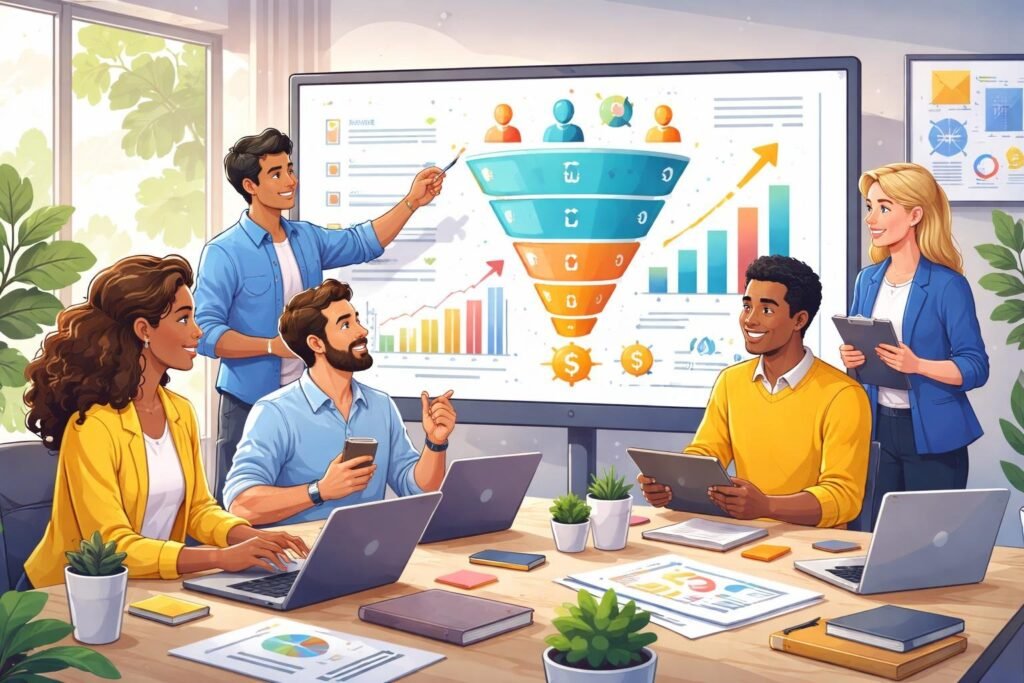
Getting more leads is one of the biggest challenges for any business owner. Without a steady flow of potential customers, it’s hard to grow and make sales. The ClickFunnels 5 Day Challenge is a free training program created by Russell Brunson that teaches you how to build a simple lead funnel and start collecting email addresses for your business in just five days.
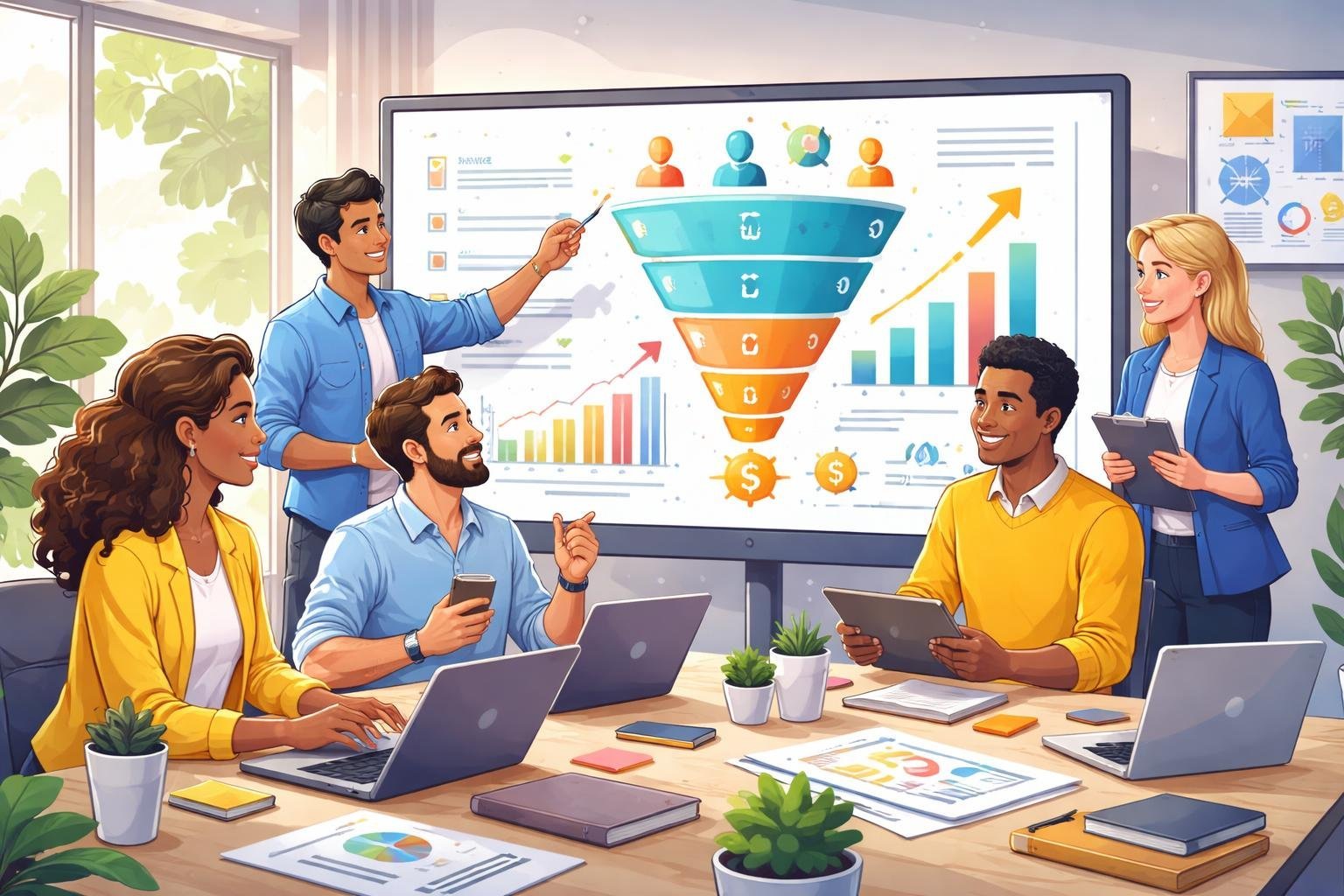
This challenge walks you through creating a lead magnet, building a funnel, and setting up automated email sequences to turn visitors into potential customers. Each day focuses on a specific step in the process, from generating leads to launching your funnel and driving traffic to it. You’ll learn from Russell Brunson and other marketing experts who share proven strategies.
We’ve put together this guide to show you exactly what happens during each day of the challenge. You’ll learn what to expect from the training, how the ClickFunnels platform fits into the process, and whether this challenge is right for your business goals.
What Is The ClickFunnels 5 Day Challenge?
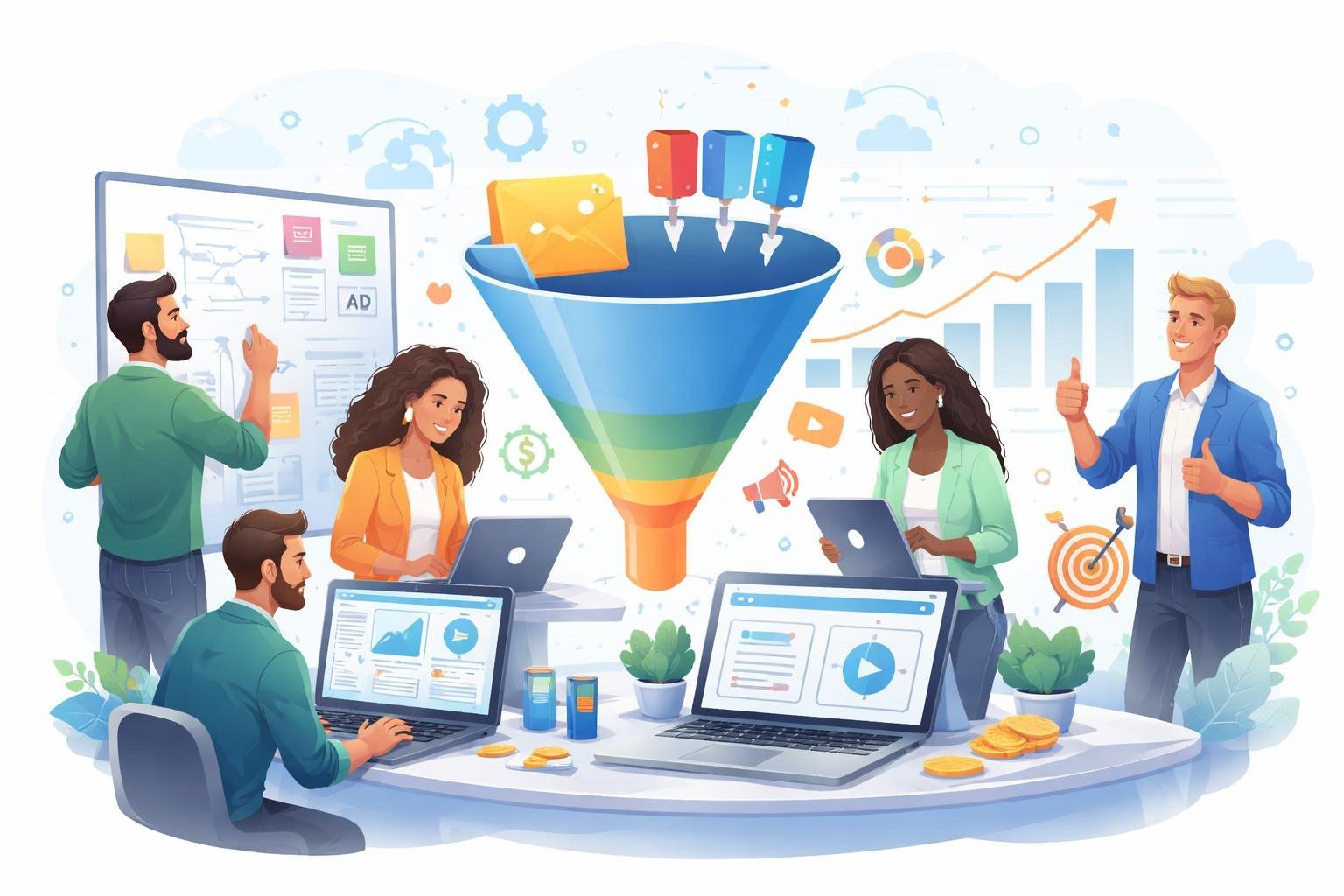
The ClickFunnels 5 Day Challenge is a free workshop that teaches you how to build your first sales funnel in five days. Russell Brunson created this program to help business owners learn the basics of creating lead funnels and growing their email lists.
Overview Of The Challenge Structure
The challenge runs for five consecutive days with daily training sessions. Each day focuses on a specific step in building a lead funnel.
Russell Brunson leads the training along with guest experts who share their experience. The sessions walk you through the process of creating a funnel from start to finish.
You get access to step-by-step lessons that show you exactly what to do each day. The training includes practical tasks you can complete right away. Most participants spend 1-2 hours per day working through the material and building their funnel.
The challenge typically comes free with a ClickFunnels trial. This gives you access to the software you need to build your funnel during the training.
Goals And Outcomes For Participants
The main goal is to help you create your first working lead funnel by the end of day five. You learn how to collect email addresses from potential customers.
We show you how to build simple funnels that actually work. The training covers creating opt-in pages, setting up email sequences, and attracting visitors to your funnel.
By the end, you should have a basic understanding of how sales funnels work. You’ll know how to use ClickFunnels to build landing pages and capture leads. Many participants finish the challenge with their first funnel live and ready to collect emails.
Who Should Join The Challenge
The 5 Day Lead Challenge works best for beginners who have never built a sales funnel before. If you’re new to online marketing or ClickFunnels, this training gives you a solid foundation.
Small business owners who want to grow their email list should consider joining. Coaches, consultants, and service providers often find the challenge helpful for their businesses.
You don’t need any technical skills or prior experience. The training assumes you’re starting from scratch. Even if you’ve tried building funnels before but struggled, the challenge can help you understand the basics better.
Meet The Coaches And Guest Experts

The 5 Day Lead Challenge brings together three marketing experts who each teach specific strategies for generating leads and growing your business. Russell Brunson leads the program with his funnel expertise, while Yara Golden covers copywriting techniques and Rachel Miller shares organic growth methods.
About Russell Brunson
Russell Brunson is the co-founder of ClickFunnels and the main coach for this challenge. He built his career by creating sales funnels that convert visitors into customers. Over the years, he has helped thousands of businesses grow through his funnel strategies.
During the challenge, Russell teaches us how to create lead magnets that attract potential customers. He shows us how to build a simple Lead Squeeze Funnel that captures contact information. His approach focuses on making the process as simple as possible, even for beginners.
Russell’s teaching style breaks down complex marketing concepts into easy steps. He demonstrates his own methods that he uses to generate leads on demand. His experience building ClickFunnels gives him real-world knowledge about what works in digital marketing.
Yara Golden’s Copywriting Insights
Yara Golden joins the challenge as a guest expert who specializes in copywriting. She teaches us how to write words that persuade people to take action. Her focus is on creating messages that connect with our target audience.
Yara’s lessons help us understand what makes people click, sign up, and buy. She shares techniques for writing headlines that grab attention and emails that get opened. Her copywriting strategies work alongside the funnels we build during the challenge.
She brings a fresh perspective to the program by showing us how the right words can dramatically improve our results. Her methods are practical and can be applied immediately to our lead magnets and landing pages.
Rachel Miller’s Organic Growth Strategies
Rachel Miller teaches organic growth strategies that don’t require paid advertising. She focuses on using social media and community building to generate free traffic. Her expertise helps us reach more people without spending money on ads.
Rachel shows us how to create content that spreads naturally and attracts our ideal customers. She specializes in Facebook marketing but her principles apply to other platforms too. Her strategies complement the funnels we learn from Russell.
Her approach is perfect for those of us who want to grow our business on a tight budget. Rachel demonstrates how to build genuine connections that turn into leads and sales over time.
Day 1: Generating Unlimited Leads

Day 1 focuses on building your lead machine from the ground up. We learn how lead funnels work and how to attract dream customers who actually want what we offer.
Lead Generation Foundations
Lead generation starts with understanding how a lead funnel works. A lead funnel is a system that captures contact information from people interested in our business. We offer something valuable in exchange for their email address or phone number.
The basic structure includes a landing page, an opt-in form, and a thank you page. When someone gives us their information, they become a lead. This process lets us build a list of people we can contact later.
Key components of a lead machine:
- Landing page with clear offer
- Simple opt-in form
- Automated email sequence
- Traffic source to drive visitors
We need all these parts working together to generate new leads consistently. Without one piece, the whole system breaks down.
Understanding Dream Customers
Dream customers are the people who need our product or service the most. They have a problem we can solve and money to pay for the solution. We can’t generate unlimited leads if we target everyone.
We identify dream customers by looking at their specific problems and desires. What keeps them up at night? What results do they want? When we know these answers, we create offers that speak directly to them.
Hot leads come from matching our message to the right audience. If we sell fitness coaching, our dream customers might be busy parents who want to lose weight but have limited time. We wouldn’t target teenagers or elderly people who need different solutions.
Strategies For Consistent Lead Flow
A lead generation funnel needs traffic to work. We drive people to our landing page through paid ads, social media, or content marketing. The key is picking one traffic source and mastering it first.
We test different offers to see what converts best. Some audiences respond to free guides while others prefer video training or checklists. Split testing helps us find what works.
Traffic sources to consider:
- Facebook ads
- YouTube ads
- Instagram content
- Blog posts
- Email partnerships
Consistency matters more than perfection. We schedule time each day to work on our lead machine. Even 30 minutes daily adds up to significant results over weeks and months.
Day 2: Creating Your Lead Magnet
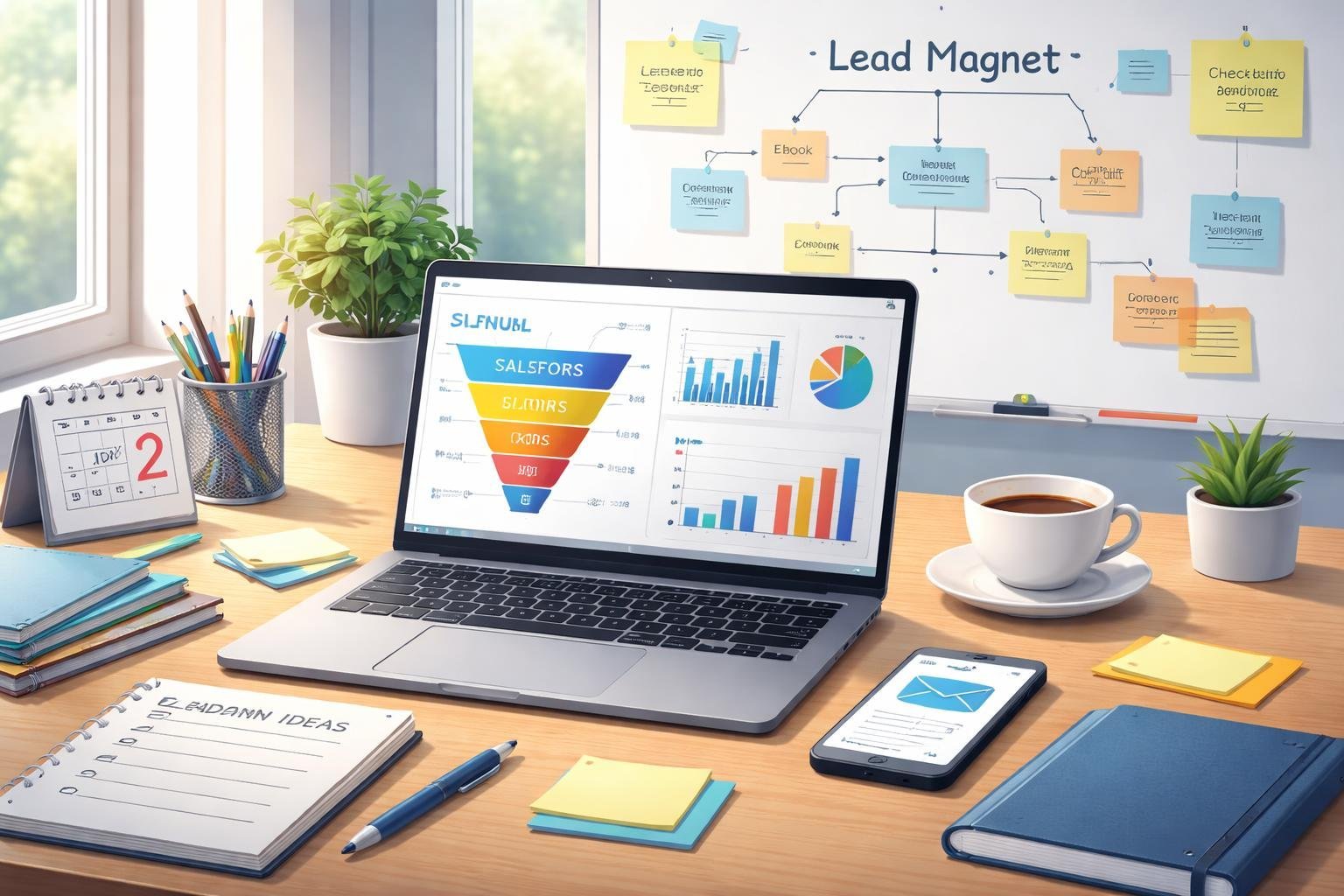
Day 2 focuses on building a lead magnet that attracts your ideal customers and gets them to share their contact information. You’ll learn how to create a simple onepager that delivers real value while positioning you as an expert in your field.
Crafting Irresistible Lead Magnets
A lead magnet is a free resource we offer in exchange for someone’s email address or phone number. The best lead magnets solve one specific problem for our target audience. They don’t try to cover everything.
We need to think about what keeps our ideal customers up at night. What quick win can we give them right now? The lead magnet should take 10 minutes or less to consume and give them an immediate result.
During this part of the challenge, we discover that simple lead magnets work better than complicated ones. A single PDF, checklist, or template often outperforms a 50-page guide. The goal is to get people excited about working with us, not to give away everything we know.
The concepts from Dotcom Secrets and Expert Secrets come into play here. We position ourselves as the guide who can help them solve their bigger problems.
Defining Your Framework
We need to create a clear framework that shows our unique approach. This framework becomes the foundation of our lead magnet. It explains our method in a way that makes sense to beginners.
The framework should have 3-5 steps that take someone from where they are now to their desired result. Each step needs a clear name and purpose. We can use the ClickFunnels templates as inspiration for organizing our ideas.
Our framework sets us apart from competitors. It shows we have a proven system, not just random tips. This builds trust before someone even becomes a customer.
Building Your Onepager
The onepager is a single-page document that delivers our framework in an easy-to-read format. We create this using simple tools, and ClickFunnels provides templates to make the process faster.
Our onepager should include our framework, actionable steps, and space for notes. We keep the design clean and focused on the content. Bold headings and bullet points make it scannable.
The challenge provides free software to create our onepager. We don’t need fancy design skills or expensive programs. The finished product goes directly into our lead capture funnel, which we’ll build on Day 3.
Day 3: Building Your Lead Funnel
Day 3 focuses on creating the actual lead funnel inside ClickFunnels, where we transform our lead magnet into a working system that captures contact information. Russell teaches us how to build a squeeze page and set up the complete lead squeeze funnel from start to finish.
Squeeze Page Essentials
The squeeze page is the lead capture page where visitors exchange their contact information for our lead magnet. We need three main elements on this page: a clear headline that states the benefit, a simple form asking for name and email, and a strong call-to-action button.
Russell emphasizes keeping the page clean and focused. We should avoid adding navigation menus or extra links that distract from the main goal. The squeeze page works best when we give visitors only two choices: fill out the form or leave.
Most successful squeeze pages include a brief description of what people get when they opt in. We can add bullet points showing the specific benefits of our lead magnet. Some pages also include a small image or visual of the lead magnet to make it feel more real and valuable.
Lead Squeeze Funnel Walkthrough
The lead funnel has two main pages that work together. The first page is our squeeze page where we collect contact information. The second page is the thank you page where people access their lead magnet after opting in.
Russell walks us through building each page in ClickFunnels step by step. We learn how to connect our email service provider so new leads get added to our list automatically. The funnel builder makes it easy to link the pages together and test the entire process.
We also set up what happens after someone opts in. This includes the confirmation email and the first few messages in our email sequence. The goal is to deliver the lead magnet quickly and start building a relationship with new subscribers right away.
Using Pre-Built Funnels
ClickFunnels provides templates specifically designed for lead funnels. We can choose a template that matches our business type instead of starting from scratch. These templates already have the right structure and elements in place.
Russell shows us how to customize these templates with our own headlines, images, and branding. We simply click on any element to edit the text or swap out images. The funnel building process becomes much faster when we start with a proven template.
We can preview our lead squeeze funnel before publishing it live. This lets us test the opt-in process and make sure everything works correctly. Once we’re satisfied, we publish the funnel and get our unique URL to start driving traffic.
Day 4: Setting Up Your Email Follow-Up Funnel
Day 4 focuses on creating automated email sequences that turn leads into buyers through strategic follow-up messages. We’ll learn how to write emails that build trust, set up automation tools in ClickFunnels, and maintain consistent communication with our email list.
Writing Effective Email Sequences
We need to create a series of emails that speak directly to our leads’ needs and problems. The standard approach is a 6-email follow-up funnel that gradually builds trust over time.
Our first email should welcome new subscribers and deliver whatever we promised them. The second and third emails can share helpful tips or stories related to our offer. Emails four and five introduce our product or service as a solution to their problems.
The final email creates urgency with a clear call to action. Each email in our sequence should be short and focused on one main point. We want to write like we’re talking to a friend, not giving a sales pitch.
Key elements to include:
- Clear subject lines that make people want to open
- Personal stories or examples
- One specific action we want them to take
- Links that lead back to our funnel
Building Relationships With Leads
Our email follow-up funnel works best when we focus on helping people first. We can’t just send sales messages and expect results. People buy from businesses they know and trust.
We should share useful content that solves small problems our leads face right now. This shows we understand their situation and have real expertise. When we teach something valuable in each email, our subscribers will actually look forward to hearing from us.
The emails should feel personal even though they’re automated. We can mention common struggles our target audience faces and show empathy. Adding quick wins or easy tips in our email marketing makes people feel good about being on our email list.
We’re building a relationship that will last beyond just one sale. When people trust us, they’ll open our future emails and consider our recommendations seriously.
Email Sequence Automation
ClickFunnels makes it easy to set up our follow-up funnel so it runs automatically. We need to enable the Follow-Up Funnels feature in our account settings first.
Once enabled, we can create a new follow-up funnel and connect it to our lead funnel. We’ll write all our emails ahead of time and set the timing for when each one sends. Most people space emails 1-2 days apart to stay in touch without overwhelming subscribers.
The automation means new leads get our entire email sequence without us doing anything manually. We can set triggers based on actions people take, like clicking a link or visiting a page. This lets us send different emails to people based on their interests.
We should test our email follow-up system by joining our own list first. This helps us catch any mistakes before real leads see them.
Day 5: Launching Your Funnel
On the final day, we focus on getting your funnel live and making sure it works properly. We’ll test every part of the funnel, set up tracking to measure conversions, and learn how to make improvements based on real data.
Testing And Going Live
Before we launch our funnel to the world, we need to test everything carefully. We start by going through the entire funnel ourselves as if we’re a real customer. This means clicking on every button, filling out every form, and checking that all links work correctly.
We need to test our opt-in page to make sure email addresses are being collected. We also verify that our email follow-up sequence sends messages at the right times. If we’re using ClickFunnels, we can use the preview function to see how our pages look on phones and computers.
After testing, we connect our domain name and make the funnel live. The One Funnel Away Challenge teaches us to start small and fix problems as we find them. We don’t need everything to be perfect before launching.
Tracking Conversions
Once our funnel goes live, we need to track how many people take action. Conversions happen when someone completes a desired action like joining our email list or buying a product.
We set up tracking to measure our opt-in rate, which shows the percentage of visitors who give us their email address. A good opt-in rate is usually between 20% and 40%. We also track how many people open our emails and click on links inside them.
ClickFunnels has built-in analytics that show us these numbers. We check our stats every few days to see what’s working. If our conversion rates are low, we know we need to make changes.
Improving Funnel Performance
After collecting data for a few days, we start making improvements to our sales funnels. We look at where people leave the funnel and try to fix those weak spots.
We can test different headlines, images, or button colors to see what gets better results. This is called split testing. We only change one thing at a time so we know what made the difference.
We also read the emails people send us and look for patterns in their questions or concerns. This feedback helps us update our funnel to address what matters most to our audience. Small tweaks often lead to big improvements in conversions over time.
Traffic Strategies To Grow Your List
Getting traffic to our funnels is what turns them from empty pages into lead-generating machines. The ClickFunnels 5 Day Challenge teaches us how to bring qualified prospects to our offers without spending a fortune on ads.
Organic Traffic Approaches
Organic traffic gives us free visitors who find our content naturally. We can start by creating blog posts that answer questions our target audience asks. These posts should link to our lead magnets or opt-in pages.
Social media posts work well when we share helpful tips and insights. We need to post consistently and engage with people who comment. Video content on platforms like YouTube can bring in steady traffic over time.
SEO helps people discover our funnels through search engines. We should focus on keywords that our ideal customers actually search for. The Traffic Secrets book explains how to find these keywords and use them in our content.
Guest posting on other websites expands our reach. We write valuable articles for sites our audience already visits. Each guest post should include a link back to our funnel or lead capture page.
Leveraging Facebook Groups And Pages
Facebook groups let us build communities around our niche. We can create our own group or join existing ones where our ideal customers hang out. The key is providing value before asking people to visit our funnel.
A Facebook page serves as our home base on the platform. We post content regularly and use it to share our lead magnets. Pages work best when we go live and interact with followers in real time.
Inside groups, we answer questions and share our expertise. We shouldn’t spam our links but naturally mention our resources when they help solve someone’s problem. Many successful affiliate marketers build their entire business through Facebook groups.
The challenge teaches us to use Facebook strategically. We learn to identify which groups have our qualified prospects and how to stand out without being pushy.
Funnel Hacking For Traffic
Funnel hacking means studying what already works in our market. We look at successful funnel hackers and see where they get their traffic. This saves us from guessing what might work.
We can reverse-engineer competitor funnels to find their traffic sources. Tools like SimilarWeb show us which sites send them visitors. We then create similar content or partnerships to tap into those same channels.
The ClickFunnels community shares funnel examples we can learn from. We study their landing pages, ad copy, and traffic methods. This research helps us avoid mistakes and focus on proven strategies.
We don’t copy others but adapt their successful tactics to our business. Each market is different, but the underlying traffic principles stay the same.
Using The Traffic Secrets Framework
The Traffic Secrets framework breaks down traffic into three types: traffic we control, traffic we earn, and traffic we own. We start by identifying our “dream 100” – the top 100 places where our audience already gathers online.
These could be blogs, podcasts, YouTube channels, or social media accounts. We make a list and start building relationships with those influencers. Guest appearances and collaborations bring their audience to our funnel.
We focus on converting visitors into subscribers so we own that traffic. Email lists give us direct access to people without relying on algorithms. Every piece of content should encourage visitors to join our list.
The framework emphasizes building assets that compound over time. A single blog post or video can bring traffic for months or years. We create content that keeps working even when we’re not actively promoting it.
Using ClickFunnels As Your Funnel Building Platform
ClickFunnels gives us a complete system to build sales funnels without needing to code or hire developers. The platform includes templates, a drag-and-drop editor, and tools designed specifically for people working through challenges like the 5-day funnel program.
Setting Up In ClickFunnels
We can start with ClickFunnels by signing up for a free 14-day trial. This gives us full access to test the platform before committing to a paid plan.
Once we create our account, the dashboard shows us all the main tools we need. We’ll find options to build funnels, create pages, manage contacts, and track sales. The interface is designed for beginners, so we don’t need technical skills to get started.
Key setup steps include:
- Creating our ClickFunnels account
- Connecting our domain name
- Setting up payment processors
- Adding our email service integration
- Uploading our business logo and branding
The One Funnel Away Challenge walks us through these setup steps in detail during the first days of training. We get guidance on configuring everything properly so our funnels work smoothly from day one.
Selecting The Right Funnel Template
ClickFunnels offers dozens of pre-built templates for different business types. We don’t have to design pages from scratch because the templates are already proven to convert visitors into customers.
The funnel builder lets us browse templates by category. We can choose from options like lead generation funnels, product launch funnels, webinar funnels, and membership funnels. Each template includes all the pages we need connected in the right order.
For the 5-day challenge, we typically want a simple lead funnel or challenge funnel template. These include a landing page to capture emails, a thank you page, and follow-up pages for each day of content. We can customize colors, images, and text using the drag-and-drop editor without touching any code.
Benefits For Affiliate And Network Marketers
Affiliate marketers benefit from ClickFunnels because we can build professional sales funnels quickly. Instead of sending people directly to a company’s sales page, we create our own funnel that pre-sells the offer and builds trust first.
ClickFunnels helps us:
- Create custom bridge pages between traffic and offers
- Build email lists we own and control
- Track which traffic sources convert best
- Split test different approaches to improve results
Network marketers use the platform to stand out from other distributors. We can build unique funnels that showcase our personal story instead of using the same generic company websites as everyone else. The Two Comma Club recognition program even celebrates members who’ve made over $1 million through their funnels.
The platform includes Funnel Scripts, which helps us write compelling copy for our pages. This tool generates headlines, bullet points, and sales messages based on proven formulas. We just answer a few questions about our offer, and the software creates the text we need.