
Running a clothing brand means competing for attention in a crowded market. Getting people to notice your products is only the first step. The real challenge is turning those casual browsers into paying customers and then into loyal fans who come back again and again.
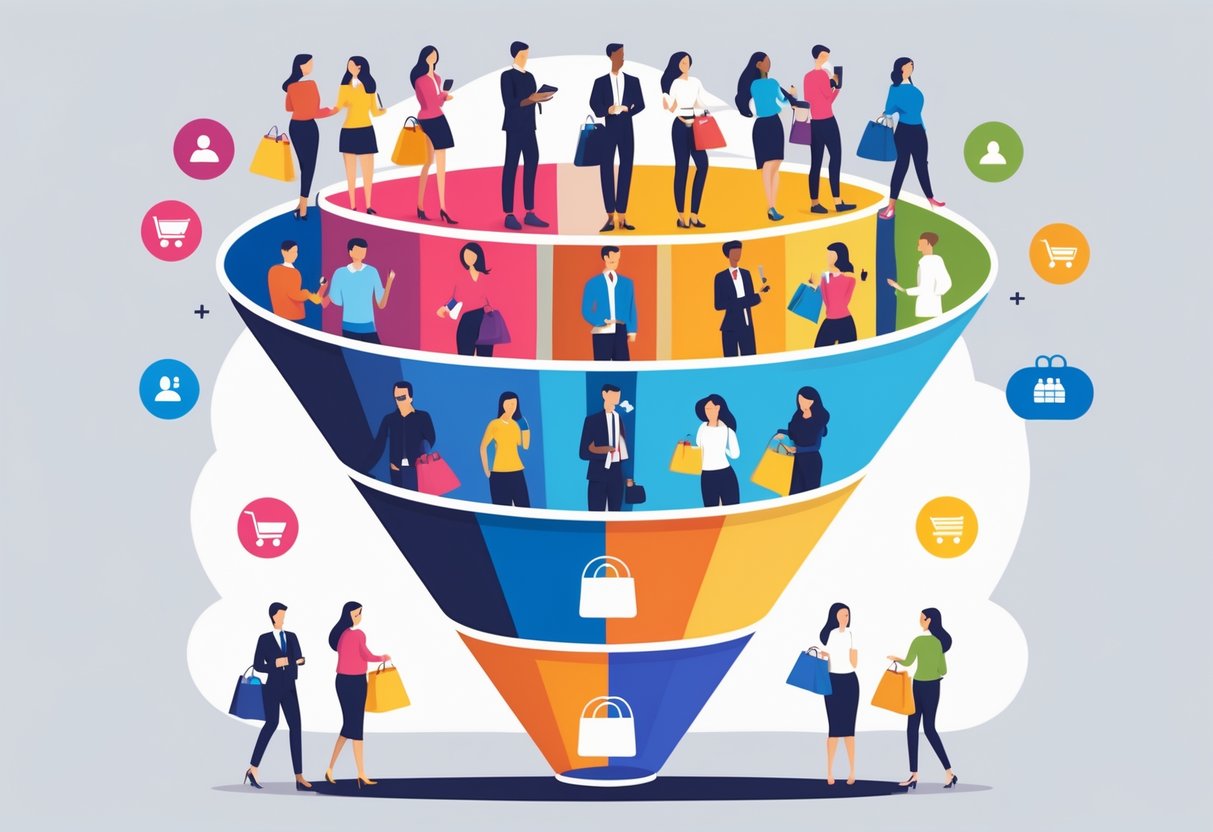
A sales funnel for a clothing brand is a step-by-step system that guides potential customers from first discovering your brand to making a purchase and beyond. It helps you understand where people are in their buying journey so you can show them the right content at the right time. Instead of hoping random shoppers will buy, you create a clear path that naturally leads them toward a purchase.
We’ll walk you through how to build a sales funnel that works for fashion and clothing brands. You’ll learn about each stage of the funnel, what marketing tactics actually move people forward, and how to keep customers coming back. We’ll also cover the key elements that make your funnel effective and how to track what’s working so you can keep improving your results.
Understanding the Sales Funnel for Clothing Brands
A sales funnel maps out the complete path customers take from discovering your clothing brand to making a purchase. This framework helps fashion businesses identify where potential customers drop off and how to guide them toward buying.
Importance of Sales Funnels in Fashion
Sales funnels give us a clear picture of how customers interact with our clothing brand at every step. Without this framework, we’re essentially guessing what works and what doesn’t.
We can track exactly where potential customers lose interest in our products. This lets us fix problems before they cost us sales. For example, if many people add items to their cart but never check out, we know to focus on that specific stage.
Fashion brands face unique challenges because buying decisions often involve emotional connections to style and brand identity. A well-structured sales funnel helps us build these connections at the right moments. We can showcase our designs when interest is highest and provide social proof when customers need reassurance.
Sales funnels also help us spend our marketing budget more wisely. Instead of throwing money at general advertising, we target customers based on where they are in their journey with our brand.
Key Stages of the Customer Journey
The customer journey for clothing brands typically follows four main stages: awareness, interest, decision, and action.
Awareness is when someone first discovers our brand through social media, ads, or word of mouth. At this stage, we focus on making a strong first impression with our visual identity and brand message.
Interest happens when potential customers start exploring our collections and style. They might browse our website, check out product details, or follow us on social platforms. We need to provide clear product information and styling inspiration here.
The decision stage is where customers compare our clothing with other options. They look at prices, read reviews, and think about whether our pieces fit their needs. We can help by offering detailed size guides and customer testimonials.
Action is the final purchase and everything that follows, including shipping updates and follow-up emails. This stage sets the tone for whether someone becomes a repeat customer or just a one-time buyer.
Sales Funnel Stages and the Clothing Buyer’s Journey
A clothing brand’s sales funnel guides shoppers through four key stages: building initial awareness, nurturing their interest in your products, converting them into buyers, and turning them into loyal repeat customers. Each stage requires different strategies to move potential customers closer to purchase and beyond.
Top of the Funnel (TOFU): Building Awareness
The awareness stage is where potential customers first discover our clothing brand. At this point, they might not even know they need what we’re selling yet.
We can build awareness through social media posts, blog content, and influencer partnerships. Our goal is to reach people who match our ideal customer profile. For example, if we sell sustainable activewear, we might create Instagram Reels about eco-friendly fashion or partner with fitness influencers.
At the top of the funnel, we focus on education rather than selling. We might share styling tips, fabric care guides, or trend reports. This content helps people see our brand as helpful and trustworthy.
Paid advertising on platforms like Facebook, Instagram, and TikTok also works well here. We can target specific demographics, interests, and behaviors to reach the right audience. The key is to make a strong first impression without being pushy.
Middle of the Funnel (MOFU): Nurturing Interest
The interest stage is where we build relationships with people who already know about our brand. These potential customers are considering whether our clothing fits their needs and style.
At MOFU, we provide more detailed content about our products. This includes lookbooks, size guides, fabric details, and customer reviews. Email marketing becomes important here. We can send welcome series emails, new arrival announcements, and personalized product recommendations.
We also use retargeting ads to stay visible to people who visited our website but didn’t buy anything. These ads might showcase the exact items they viewed or similar products they might like.
Effective MOFU tactics for clothing brands:
- Behind-the-scenes content showing how products are made
- User-generated content from real customers
- Limited-time offers or early access to new collections
- Virtual try-on tools or styling quizzes
- Detailed blog posts about fit, quality, and versatility
The goal is to answer questions and remove doubts that prevent purchase.
Bottom of the Funnel (BOFU): Driving Conversion
At the bottom of the funnel, potential customers are ready to make a purchase decision. Our job is to make buying as easy and appealing as possible.
We remove barriers to purchase by offering free shipping, easy returns, and multiple payment options. Clear product descriptions, size charts, and high-quality photos help customers feel confident in their choices. Customer testimonials and trust badges build credibility at this critical moment.
Cart abandonment emails work well at BOFU. We can remind shoppers about items they left behind and offer a small discount to encourage completion. Live chat support helps answer last-minute questions.
Creating urgency through limited stock notifications or flash sales can push hesitant buyers to act. However, we must be honest about these promotions to maintain trust.
Post-Purchase: Retention and Loyalty
The post-purchase experience determines whether customers buy from us again. Repeat customers have higher customer lifetime value than one-time buyers.
We start by confirming orders quickly and providing tracking information. A thank-you email with styling tips for their purchase shows we care about their experience. We ask for reviews and photos to build social proof for future customers.
A loyalty program encourages repeat purchase by rewarding customers for their continued business. Points, discounts, or early access to sales give customers reasons to come back. Customer retention costs less than acquiring new customers, making this stage valuable for our business.
We use email and SMS to stay connected with past buyers. Birthday discounts, personalized recommendations based on purchase history, and exclusive previews of new collections keep our brand top of mind. Repeat customers often become brand advocates who refer friends and share our products on social media.
Essential Elements of an Effective Clothing Brand Sales Funnel
We need several key components to build a sales funnel that converts browsers into buyers. Each element plays a specific role in guiding customers toward purchase.
Landing pages are where potential customers first arrive. We design these pages to showcase our brand’s style and capture attention quickly. A strong landing page focuses on one clear message and includes eye-catching images of our clothing.
Lead magnets help us collect contact information. We can offer a discount code, style guide, or exclusive early access to new collections. These incentives give people a reason to share their email address with us.
Our sales pages need to highlight product benefits and remove doubts. We include quality photos, size guides, customer reviews, and clear pricing. The goal is to make the buying decision easy.
The checkout process must be simple and fast. We reduce friction by offering guest checkout options and multiple payment methods. A complicated shopping cart leads to abandoned purchases.
Strategic add-ons can boost our revenue per customer:
| Element | Purpose |
|---|---|
| Discount codes | Create urgency and reward sign-ups |
| Upsell pages | Suggest complementary items after initial purchase |
| Countdown timers | Drive quick decisions on limited offers |
We keep forms short and load times fast throughout the funnel. Every extra step or delay gives customers a chance to leave. Our shopping cart should be visible and easy to access from any page.
Trust signals like secure payment badges and clear return policies help customers feel confident. We make sure our brand personality shines through at every stage.
Proven Marketing Tactics to Fill and Move Your Clothing Sales Funnel
We need strategic marketing approaches that attract new customers and guide them toward purchase. The three core methods—organic content paired with search optimization, paid advertising campaigns, and social media partnerships—work together to build awareness and drive conversions for clothing brands.
Content Marketing and SEO for Fashion
Content marketing builds trust with potential customers while search engine optimization helps them find us. We should create blog posts about styling tips, fabric care guides, and seasonal fashion trends that naturally include keywords our target customers search for. This approach brings organic traffic to our site without paying for each click.
Search engine optimization means optimizing product descriptions, image alt text, and page titles so Google ranks our pages higher. We can also create lookbooks, size guides, and “how to wear” videos that answer common customer questions. These resources help people at the top of our funnel discover our brand.
Building backlinks from fashion blogs and lifestyle websites strengthens our domain authority. When we consistently publish helpful content, we become a trusted resource in our niche. This strategy takes time but delivers long-term results as our pages climb search rankings and attract qualified traffic month after month.
Leveraging Paid Ads and Retargeting
Facebook ads and Google ads let us reach specific audiences based on interests, demographics, and shopping behavior. We can show our products to people who follow similar fashion brands or recently searched for clothing items we sell. SEM (search engine marketing) places our ads at the top of search results when someone looks for “women’s dresses” or whatever products we offer.
Retargeting ads are essential for moving people through our funnel. When someone visits our site but doesn’t buy, we can show them ads on Facebook, Instagram, or other websites they visit. These retargeting campaigns remind them about products they viewed and often include special offers to encourage purchase.
We should test different ad formats like carousel ads showing multiple products, video ads demonstrating our clothing, and collection ads highlighting new arrivals. Starting with a modest budget and scaling what works helps us avoid wasting money on ineffective campaigns.
Harnessing Social Media and Influencer Collaborations
Social media campaigns on Instagram, TikTok, and Pinterest put our clothing in front of engaged audiences. We can post outfit inspiration, behind-the-scenes content, and user-generated photos from happy customers. These platforms let us build community and keep our brand top-of-mind.
Influencer collaborations amplify our reach by tapping into established audiences that trust their recommendations. We should find influencers whose style and values align with our brand. Influencer endorsements work best when they feel authentic rather than overly promotional.
Starting with micro-influencers (10,000-50,000 followers) often delivers better engagement rates and costs less than celebrity partnerships. We can provide them with free products, unique discount codes for their followers, or commission-based partnerships. Tracking which influencers drive actual sales helps us invest in the relationships that truly move our funnel.
Conversion Optimization and Building Trust
Getting people to buy from our clothing brand requires more than just showing products. We need to prove we’re trustworthy and constantly improve how our funnel works so more visitors become customers.
Using Social Proof and Testimonials
Social proof shows potential buyers that real people love our clothing. When shoppers see others wearing and enjoying our pieces, they feel more confident about buying.
Customer reviews are the most powerful form of social proof we can use. We should display star ratings and written reviews on every product page. Photos from customers wearing our clothes work even better than standard product shots because they show real people and real results.
We can feature testimonials on our homepage and landing pages to build trust immediately. Short quotes from happy customers about fit, quality, or style help new visitors feel comfortable. Video testimonials add even more credibility because people can see and hear real customers talking about their experience.
Case studies work well for our brand collaborations or bulk orders. We might share how a boutique owner increased sales by carrying our line, or how our sustainable materials helped another business meet their environmental goals.
We should also display trust badges, follower counts, and “as seen in” media mentions. These elements prove that many people already trust our brand.
A/B Testing and Funnel Optimization
A/B testing means we show two different versions of something to see which performs better. This takes the guesswork out of improving our sales funnel.
We can test different product page layouts, button colors, headline copy, or pricing displays. For example, we might test whether “Add to Cart” or “Shop Now” gets more clicks. Even small changes can lead to big improvements in conversions.
Funnel optimization requires us to look at data and find where people leave without buying. We might discover that too many steps at checkout cause cart abandonment. Or maybe our size guide isn’t clear enough, so people get confused and leave.
We should test one element at a time so we know what actually made the difference. Testing our email subject lines, product descriptions, or discount offers helps us learn what our customers respond to best.
The key is making changes based on real data, not assumptions. We track metrics like click-through rates, time on page, and conversion rates to measure success.
Guarantees and Risk Reducers
A money-back guarantee removes the biggest barrier to online clothing purchases: the fear of buying something that doesn’t fit or look good in person. When we offer a 30-day return policy, shoppers feel safe trying our products.
We need to make our guarantees visible and easy to understand. Displaying them near the “Add to Cart” button reminds customers they have nothing to lose. Clear return instructions and prepaid shipping labels make the process stress-free.
Free shipping thresholds work as both an incentive and a risk reducer. When we offer free returns too, customers know they won’t waste money if something doesn’t work out.
We can also offer fit guarantees or size exchange promises. Since fit is the top concern for online clothing buyers, we might say “Wrong size? We’ll exchange it free.” This specific promise addresses their exact worry.
Quality guarantees matter for clothing brands too. We might promise that our materials won’t fade or our stitching won’t come loose within a certain timeframe. These promises show we stand behind what we sell.
Retention, Loyalty, and Increasing Customer Lifetime Value
Keeping customers coming back costs less than finding new ones, and loyal customers spend more over time. We can build stronger relationships through smart email marketing, reward programs, and personalized experiences that make shoppers feel valued.
Email Marketing and Segmentation Strategies
Email marketing remains one of our most powerful tools for keeping customers engaged with our clothing brand. We should create different email sequences for different customer groups based on their shopping habits and preferences. Segmentation lets us send personalized emails that match what each customer actually wants to see.
For example, we can separate customers who buy seasonal items from those who shop year-round. We might send winter coat promotions to cold-weather shoppers while sending lightweight pieces to customers in warmer areas. Birthday emails with special discounts, cart abandonment reminders, and restock notifications all work better when they’re personalized.
We should track which emails get opened and clicked. This data helps us improve our messaging and timing. A welcome email sequence for new customers might include style guides and care instructions, while repeat customers might get early access to new collections.
Loyalty and Referral Programs
Loyalty programs give customers a reason to choose us over competitors. We can offer points for every purchase that add up to discounts or free items. Studies show that increasing customer retention by just 5% can boost profits by 25% to 95%.
Referral programs turn happy customers into brand ambassadors. When someone loves our clothes, we can reward them for telling friends about us. This brings down our customer acquisition cost while building trust through word-of-mouth.
We might structure our program like this:
- 1 point per dollar spent
- 100 points = $10 off
- Double points on birthdays
- $15 credit for each successful referral
Personalization and Post-Purchase Engagement
Personalized recommendations based on past purchases keep customers interested in our brand. If someone bought jeans, we can suggest matching tops or accessories. This approach increases the value of each customer relationship over time.
Exceptional customer service after the sale matters just as much as making the initial sale. We should send care instructions, styling tips, and outfit ideas that feature items they already own. Follow-up emails asking for feedback show we care about their experience.
We can use purchase history to create smart cross-sell opportunities. Someone who bought workout gear might appreciate new athletic pieces when we launch them. These targeted suggestions feel helpful rather than pushy when they’re based on actual shopping behavior.
Analyzing and Improving Your Clothing Brand Sales Funnel
We need to track our funnel performance, use the right tools, and make regular improvements to turn more visitors into buyers. These three steps help us understand where customers drop off and how we can fix those problems.
Tracking Funnel Metrics and Analytics
We should start by measuring the most important funnel metrics for our clothing brand. The conversion rate shows us what percentage of visitors actually buy something. We also need to track how many people move from one stage to the next in our sales pipeline.
Analytics tools help us see where customers leave our funnel. If many people abandon their carts on the checkout page, we know something is wrong there. If visitors leave after viewing product pages, we might need better photos or descriptions.
We should measure these key metrics weekly:
- Traffic sources – Where visitors come from
- Page views per visitor – How engaged people are
- Add-to-cart rate – Interest in products
- Checkout completion rate – Final purchase success
- Average order value – How much customers spend
Utilizing Sales Funnel Templates and Tools
Sales funnel templates give us a head start instead of building everything from scratch. We can find sales funnel templates designed specifically for fashion and clothing brands. These templates show us which pages we need and how to connect them.
A CRM system helps us track customer interactions throughout the funnel. We can see who opened our emails, who clicked on ads, and who visited specific product pages. Some CRM tools work like a saas sales funnel that automatically moves customers through different stages.
Popular tools we can use include email marketing platforms, landing page builders, and analytics software. These tools often come with sales funnel examples we can copy and adjust for our brand.
Iterating for Continuous Funnel Growth
We need to test and improve our funnel constantly. Small changes can make big differences in our conversion rates. We should try different product page layouts, checkout processes, and email sequences.
A/B testing helps us compare two versions of the same page. We might test different product photo styles or different call-to-action buttons. After running tests for a few weeks, we can see which version performs better.
Our funnel strategy should include monthly reviews of what’s working and what isn’t. We can look at which traffic sources bring the best customers and focus more effort there. When we build a sales funnel, it’s never really finished because customer behavior changes over time.