

Choosing the right sales funnel builder can make or break your online marketing efforts. We’ve tested both Autofunnel and ClickFunnels to help you decide which platform fits your needs and budget.
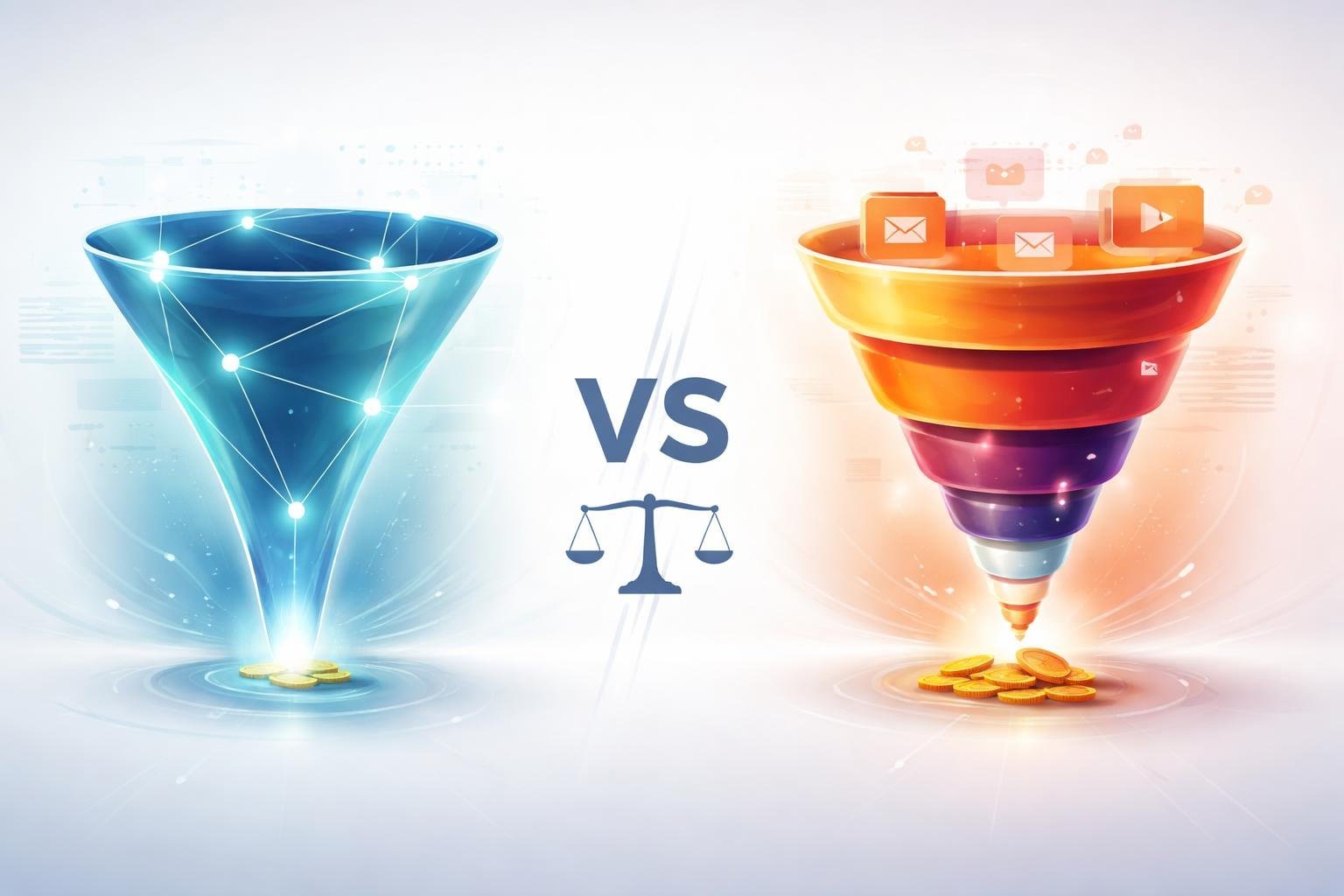
Autofunnel is part of GetResponse and costs about half the price of ClickFunnels, while ClickFunnels offers more advanced customization options and features. Both tools let you build sales funnels without coding skills, but they take different approaches to getting the job done.
In this comparison, we’ll walk you through everything from pricing and ease of use to email marketing features and integration options. By the end, you’ll know which platform makes sense for your online business and marketing goals.
Autofunnel vs ClickFunnels: Key Differences

Autofunnel and ClickFunnels take different approaches to building sales funnels, with Autofunnel focusing on simplicity and affordability while ClickFunnels offers more advanced customization options.
Core Features Comparison
Both platforms help us create sales funnels, but they work differently. ClickFunnels gives us a full suite of tools built specifically for funnel creation. It includes advanced features like A/B testing, membership sites, and detailed analytics.
Autofunnel comes as part of GetResponse’s email marketing platform. This means we get funnel building plus email automation, landing pages, and CRM tools in one package. The drag-and-drop editor works similarly in both platforms, making it easy to design pages without coding.
ClickFunnels offers more pre-made funnel templates designed for specific industries and goals. Autofunnel has fewer templates but they cover the basic funnel types most businesses need. We can customize either option to match our brand.
The main difference is integration. ClickFunnels requires third-party connections for email marketing. Autofunnel already includes these features built-in.
Target Audience
ClickFunnels works best for established businesses and marketers who need advanced funnel features. We see it used most by coaches, course creators, and companies selling high-ticket items. The platform assumes we already understand funnel strategy and want control over every detail.
Autofunnel targets small businesses and beginners who want an all-in-one solution. It’s designed for people who need email marketing and sales funnels together without learning multiple platforms. Companies with limited budgets benefit from getting more tools at a lower price point.
Both platforms suit different skill levels. ClickFunnels has a steeper learning curve but offers more power. Autofunnel simplifies the process but with fewer advanced options.
Strengths and Limitations
ClickFunnels strengths:
- More funnel templates and customization
- Advanced features like membership areas
- Large community and training resources
- Built specifically for sales funnels
ClickFunnels limitations:
- Higher monthly cost starting around $147
- Requires separate email marketing tools
- Can feel overwhelming for beginners
Autofunnel strengths:
- Starts at just $15 per month
- Includes email marketing and automation
- Easier to learn and use
- All tools in one platform
Autofunnel limitations:
- Fewer template options
- Less advanced funnel features
- Smaller user community
- Not as specialized for complex funnels
User Experience and Interface

Both platforms take different approaches to their interfaces, with Autofunnel prioritizing simplicity and ClickFunnels offering more comprehensive control over funnel building.
Ease of Use
Autofunnel gives us a clean, straightforward dashboard that makes finding tools quick and simple. The interface focuses on getting our online business up and running without extra complexity. We can locate the features we need without digging through multiple menus.
ClickFunnels uses a drag-and-drop editor that lets us build funnels visually. The platform includes a large template library that speeds up the creation process. However, the interface offers more options and controls, which means we see more buttons and settings on our screen. This gives us greater customization power but requires more time to navigate.
For our online business needs, Autofunnel works well when we want a no-frills approach. ClickFunnels suits us better when we need precise control over every element in our funnels.
Learning Curve
New users typically get started faster with Autofunnel. The platform’s simplified design means we spend less time learning where things are located. Most people can create their first funnel within an hour of signing up.
ClickFunnels requires more initial learning because of its extensive feature set. We need to understand how landing pages, upsells, order bumps, and email sequences work together. The platform wasn’t built for simplicity – it was built for power and flexibility.
That said, ClickFunnels provides tutorials and guides to help us through the learning process. Once we understand the system, we gain access to more advanced funnel-building capabilities. The extra time invested in learning pays off when we need complex sales funnels for our online business.
Funnel Building Capabilities
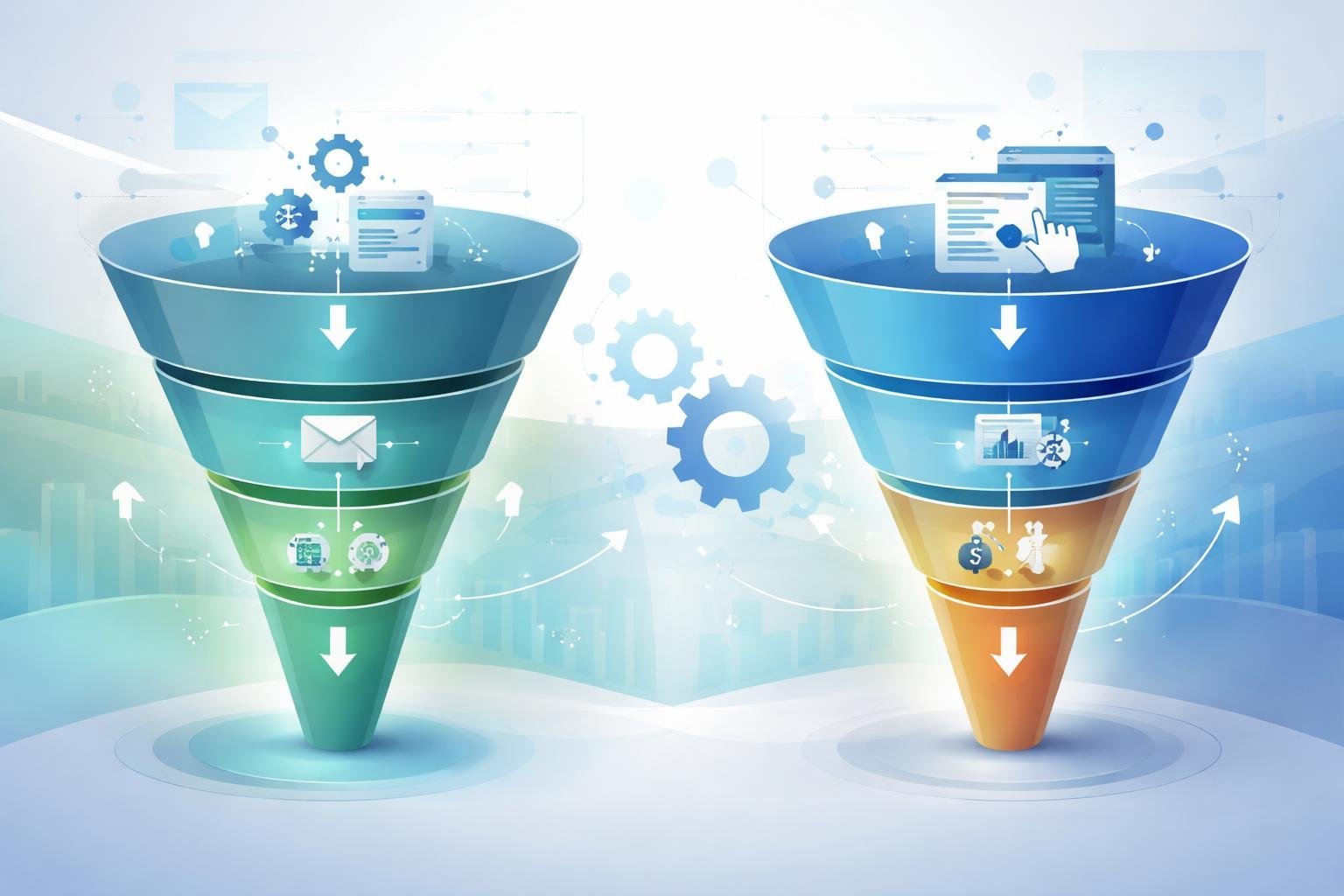
Both platforms give you tools to create sales funnels, but they take different approaches. ClickFunnels focuses heavily on detailed customization and variety, while Autofunnel prioritizes simplicity and speed.
Funnel Customization Options
ClickFunnels offers extensive customization tools that let us modify almost every element of our funnels. We can adjust colors, fonts, layouts, and spacing to match our brand perfectly. The platform includes a drag-and-drop editor that makes changes easy, even without coding knowledge.
Autofunnel takes a more streamlined approach to customization. We get fewer options to tweak individual elements, but this actually speeds up the building process. The platform guides us through pre-built structures that we can personalize with our own content and images. This works well for businesses that want functional funnels quickly without spending hours on design details.
The main difference is control versus convenience. ClickFunnels gives us more freedom to create unique designs, while Autofunnel keeps things simple and fast.
Sales Funnel Templates and Types
ClickFunnels provides a large library of templates for different funnel types. We can choose from webinar funnels, product launch funnels, membership funnels, and many others. Each template is designed for specific business goals and can be customized to fit our needs.
Autofunnel includes templates within GetResponse that cover common funnel types like lead generation and product sales. The selection is smaller than ClickFunnels, but the templates are well-designed and ready to use. We can launch a basic funnel in minutes using these pre-made options.
Both platforms let us create multi-step funnels with landing pages, thank you pages, and sales pages. ClickFunnels offers more specialized templates for advanced strategies, while Autofunnel focuses on essential funnel types that most businesses need.
Tracking and Analytics
ClickFunnels includes built-in analytics that show us how our funnels perform. We can track visitor numbers, conversion rates, and revenue for each step in our funnel. The platform displays this data in clear dashboards that help us identify where people drop off.
Autofunnel provides analytics through GetResponse’s reporting system. We can monitor email engagement, page visits, and conversion metrics. The tracking focuses on both funnel performance and email marketing results since they’re integrated in the same platform.
Both tools let us see which parts of our funnels need improvement. ClickFunnels offers more detailed funnel-specific metrics, while Autofunnel combines funnel data with broader marketing analytics.
Landing Page Builder Tools

Both platforms give us drag-and-drop editors, pre-built templates, and design elements meant to boost conversions. The main differences show up in how flexible the editors are and how many templates each platform includes.
Drag-and-Drop Editors
Autofunnel and ClickFunnels both use drag-and-drop editors that let us build landing pages without coding. We can click on elements like text boxes, images, buttons, and forms, then move them around the page until we get the layout we want.
ClickFunnels offers a more established editor with years of updates and refinements. We can customize nearly every element on the page, from spacing and colors to fonts and animations. The editor responds quickly and handles complex page designs without slowing down.
Autofunnel’s editor works similarly but focuses on simplicity. We get the core features we need to build effective pages without as many advanced customization options. This makes it easier for beginners to start building, but it might feel limited if we want precise control over every design detail.
Both editors let us preview pages on desktop and mobile views. We can switch between devices to make sure our landing pages look good on phones and tablets.
Template Libraries
The number of templates available affects how quickly we can launch our landing pages. ClickFunnels provides hundreds of pre-built templates for different industries and goals. We can find templates for webinars, product launches, lead generation, and sales pages.
Autofunnel offers fewer templates but still covers the main funnel types we need. The templates are modern and clean, designed to work well for most businesses. While the selection is smaller, the quality remains solid.
We can customize any template from either platform to match our brand. This includes changing colors, swapping images, and editing text. Starting with a template saves us hours compared to building pages from scratch.
Conversion-Focused Design Elements
Both landing page builders include elements designed to increase conversions. We get countdown timers, testimonial sections, video players, and call-to-action buttons that stand out.
ClickFunnels provides order bumps, upsells, and downsells built directly into the page builder. We can add these elements to our checkout pages to increase average order value. The platform also includes progress bars and trust badges that help reduce cart abandonment.
Autofunnel includes the basics like opt-in forms, button styling options, and social proof elements. We can add email capture forms that connect to the built-in email marketing tools. The platform focuses on the elements that drive the most results rather than offering every possible option.
Email Marketing and Automation
Autofunnel brings strong email marketing tools built right into the platform, while ClickFunnels offers follow-up systems that work well for targeted campaigns. Both platforms handle automation differently based on their core strengths.
Integrated Email Marketing Features
Autofunnel comes from GetResponse, which is known for email marketing. This means we get access to professional email tools without needing a separate service. We can create email campaigns, manage subscribers, and track results all in one place.
The platform includes autoresponders and broadcast emails. We can segment our audience based on their actions and interests. List management is straightforward, and we don’t pay extra for email features since they’re already included.
ClickFunnels takes a different approach. The platform includes basic email features through its autoresponder system. We can send automated emails to people who enter our funnels. However, many users connect ClickFunnels to outside email services for more advanced features.
Follow-Up Funnels
ClickFunnels uses something called Follow-Up Funnels for email automation. This feature lets us send targeted emails, promotions, and offers based on smart lists and tags. We can create sequences that respond to what people do in our funnels.
The system tracks user behavior and triggers emails accordingly. If someone abandons a cart or completes a purchase, we can set up specific email responses. We organize contacts using tags to send the right message to the right people.
Autofunnel handles follow-ups through its built-in email automation. Since it’s connected to GetResponse’s email engine, we get more options for creating complex email sequences.
Marketing Automation Workflows
Autofunnel provides more integrated email marketing automation overall. We can build workflows that combine landing pages, emails, and other marketing steps. The automation builder lets us create paths based on subscriber actions.
We can set up triggers for almost any customer behavior. This includes page visits, link clicks, and purchase history. The visual workflow builder makes it easy to see how our automation connects.
ClickFunnels focuses more on funnel-specific automation. We automate actions within our sales funnels rather than running full marketing campaigns. For businesses that need advanced email automation, connecting a dedicated email service often works better than relying on ClickFunnels alone.
Integrations and Support
Both platforms connect with popular business tools, but they differ in their integration options and support channels. Autofunnel focuses on e-commerce platforms while ClickFunnels offers broader third-party connections.
Third-Party Integrations
Autofunnel provides strong integration options with e-commerce platforms like Shopify, Etsy, WooCommerce, and Magento. If we already have products listed on these platforms, we can automatically populate our Autofunnel store without manual data entry. The platform also connects with PayPal and Salesforce for payment processing and customer management.
ClickFunnels offers a wider range of integrations through its app library. We can connect email marketing tools, CRM systems, webinar platforms, and shipping services directly to our funnels. This broader selection helps us customize our marketing stack based on specific business needs.
The main difference is focus. Autofunnel works best for online stores that need seamless e-commerce connections. ClickFunnels suits businesses that want flexibility across multiple marketing and sales tools.
Customer Support Options
ClickFunnels provides multiple support channels including email support and an extensive knowledge base. We can access tutorials, documentation, and troubleshooting guides through their help center.
Autofunnel offers customer support through their platform, though phone support availability varies between pricing tiers. Both platforms have improved their response times based on recent user feedback.
The level of support we receive often depends on our subscription plan. Higher-tier plans typically include priority support and faster response times.
Community and Resources
ClickFunnels has built a large user community over the years. We can find user forums, Facebook groups, and third-party courses created by experienced funnel builders.
Autofunnel’s community is smaller but growing. The platform provides basic training materials and setup guides to help new users get started quickly.
Affiliate Marketing Capabilities
ClickFunnels stands out with its established affiliate program, while Autofunnel takes a more basic approach to affiliate marketing tools.
Affiliate Program Tools
ClickFunnels offers a built-in affiliate management system that lets us create and run our own affiliate programs. We can set up custom commission structures and track affiliate performance directly inside the platform. The system includes features like automated commission payouts and detailed reporting.
ClickFunnels also runs its own affiliate program where we can earn recurring commissions by promoting their software. The program pays up to 40% recurring commissions on each sale we refer. We get access to promotional materials, tracking links, and a dedicated affiliate dashboard.
Autofunnel doesn’t have the same level of affiliate program infrastructure. The platform focuses more on basic funnel creation rather than managing affiliate relationships. We won’t find dedicated affiliate tracking or commission management tools built into Autofunnel.
Affiliate Management Features
When we use ClickFunnels, we can manage multiple affiliates through a central dashboard. The platform tracks clicks, conversions, and commission amounts automatically. We can create custom affiliate links and provide our affiliates with ready-made marketing materials.
ClickFunnels also lets us set different commission tiers for different products or affiliate levels. We can create sticky cookies that last 45 days, giving our affiliates credit for sales even if customers don’t buy right away.
Autofunnel lacks these advanced affiliate management features. If we need to run an affiliate program, we would need to integrate third-party tools or manually track affiliate performance.
Pricing and Value for Money
Autofunnel costs about half the price of ClickFunnels while ClickFunnels’ basic plan starts at $97 per month compared to GetResponse’s plans beginning at $15 per month.
Subscription Plans Overview
ClickFunnels offers a 14-day free trial for new users to test the platform. Their basic plan starts at $97 per month, which gives you access to core funnel-building features.
Autofunnel is part of GetResponse’s email marketing platform. Plans start at just $15 per month, making it much more affordable for new online business owners. This lower entry point helps small businesses get started without a big financial commitment.
The price difference matters a lot when you’re running a tight budget. ClickFunnels positions itself as a premium tool with higher costs. Autofunnel aims to give you similar features at a fraction of the price.
Feature-to-Price Comparison
Both platforms give you drag-and-drop editors to build landing pages and sales funnels. Autofunnel includes email marketing and CRM features in its plans. ClickFunnels focuses mainly on funnel building and requires additional tools for email campaigns.
At $97 per month, ClickFunnels offers advanced funnel templates and split testing. Autofunnel provides pre-made funnel templates that work for physical and digital products. You can implement these templates quickly for your online business.
The value depends on what you need. If you want an all-in-one platform with email marketing included, Autofunnel gives you more features per dollar spent. If you need specialized funnel-building tools and don’t mind paying more, ClickFunnels might fit better.
Which Platform Is Right for Your Online Business?
When deciding between Autofunnel and ClickFunnels, we need to match the tool to our business size, budget, and future plans. The right choice depends on whether we prioritize affordability and simplicity or need advanced features and customization options.
Choosing Based on Business Needs
Autofunnel works best when we’re just starting out or running a small business with limited funds. It gives us the basic tools to build sales funnels without overwhelming us with features we don’t need yet. The platform is easier to learn, so we can get our first funnel up and running quickly.
ClickFunnels makes sense when we need more control over our funnel design and have a bigger budget to work with. We get access to more templates, integrations, and customization options. If we’re selling multiple products or running complex marketing campaigns, ClickFunnels handles these tasks better.
For businesses focused on lead generation, both platforms work well. But if we plan to build membership sites or manage affiliate programs, ClickFunnels offers built-in features that Autofunnel lacks.
Scalability and Growth
As our online business grows, we’ll need a platform that can keep up. ClickFunnels scales better for businesses planning significant expansion. We can add more funnels, handle higher traffic volumes, and integrate with advanced marketing tools as our needs change.
Autofunnel has limitations when we start processing hundreds or thousands of leads daily. The platform works fine for steady, moderate growth, but we might hit a ceiling sooner than with ClickFunnels.
The pricing difference becomes less important as revenue increases. We might save money with Autofunnel initially, but investing in ClickFunnels early can prevent the hassle of migrating our funnels later when we outgrow a simpler platform.