
Getting new clients as a personal trainer can feel like a full-time job on its own. Between training sessions, program planning, and managing your current clients, finding time to market your business effectively is tough. That’s where ClickFunnels comes in to help streamline how you attract and convert potential clients online.
ClickFunnels is an all-in-one platform that helps personal trainers market their services, generate leads, and sign up new clients without needing technical skills or a marketing degree. Instead of juggling multiple tools and websites, you can create pages that guide potential clients from their first click to booking their first session with you.
In this guide, we’ll walk you through everything you need to know about using ClickFunnels for your personal training business. We’ll cover how to set up your account, build funnels that actually convert, automate your marketing, and grow your client base so you can focus more time on what you do best: training clients.
Why Personal Trainers Should Use ClickFunnels
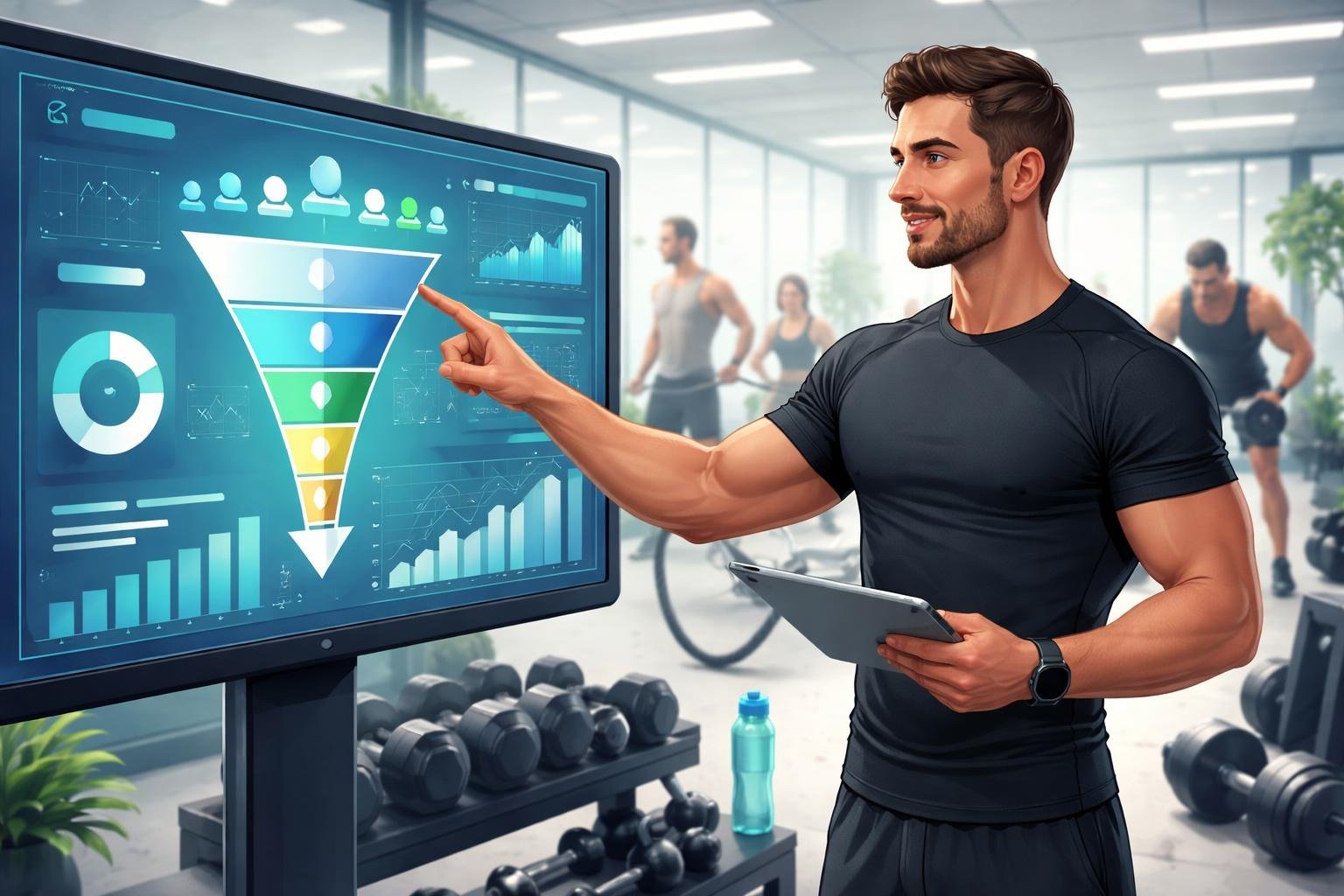
ClickFunnels gives personal trainers a complete system to attract clients, sell training packages, and grow their fitness business without needing technical skills. The platform handles everything from lead capture to payment processing in one place.
Key Benefits for Fitness Professionals
We’ve found that ClickFunnels solves the biggest challenge personal trainers face: turning interested people into paying clients. The platform lets us create simple paths that guide potential clients from discovery to purchase without getting lost along the way.
Time savings stand out as the main advantage. Instead of juggling multiple tools for email, payments, and websites, we manage everything through one dashboard. Personal trainers can build a complete fitness funnel in hours rather than weeks.
The automated email feature keeps us connected with clients between sessions. We can send workout tips, nutrition advice, and progress check-ins without manual effort. This ongoing contact helps clients stay motivated and see better results.
Payment processing happens automatically through the funnel. Clients can purchase training packages, monthly memberships, or digital programs without phone calls or paperwork. The money goes directly to our account while clients get instant access to what they bought.
Comparing ClickFunnels to Traditional Websites
Traditional websites make visitors hunt for information across multiple pages. A fitness funnel built with ClickFunnels guides each person through one clear path toward becoming a client.
Regular websites need separate tools for forms, email, scheduling, and payments. We have to connect these pieces ourselves and hope they work together. ClickFunnels includes all these features already connected.
| Traditional Website | ClickFunnels |
|---|---|
| Multiple pages to navigate | Single focused path |
| Requires separate tools | All-in-one platform |
| Complex setup process | Quick templates |
| Generic visitor experience | Targeted client journey |
Building a website typically requires hiring a developer or learning code. The funnel builder in ClickFunnels uses drag-and-drop tools that any personal trainer can master. We can make changes ourselves without waiting for technical help.
How ClickFunnels Supports Online and In-Person Training
Gym owners and personal trainers can use ClickFunnels whether they train clients face-to-face or through video calls. The platform adapts to different business models without forcing us to choose one approach.
For in-person training, we create funnels that collect contact information and book consultation calls. These opt-in pages offer free workout programs or fitness assessments to attract local clients. Once someone signs up, automated emails nurture them until they’re ready to start training.
Online training works through product funnels that sell digital programs and coaching packages. We can deliver workout videos, meal plans, and training guides automatically after purchase. The same system handles both one-time sales and recurring monthly subscriptions.
Many fitness professionals use both methods together. We might offer in-person sessions to local clients while selling online programs to people anywhere in the world. ClickFunnels manages both revenue streams through separate funnels on the same account.
Understanding Sales Funnels for Personal Trainers
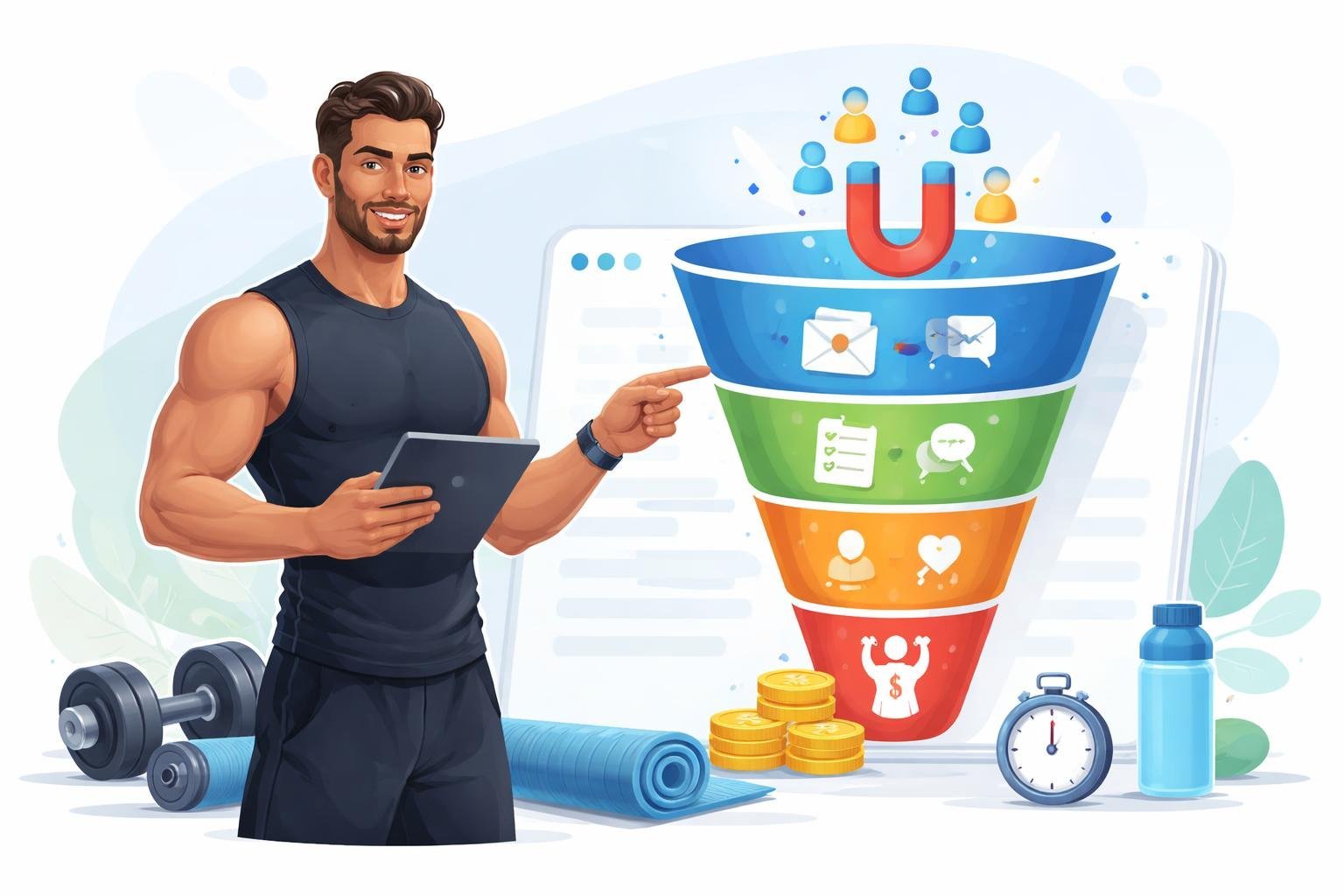
A sales funnel maps the path someone takes from first hearing about your training services to becoming a paying client. Personal trainers need specific funnels that match how people buy fitness services, which is different from selling physical products.
Sales Funnel Concepts and Stages
A sales funnel has four main stages that move people closer to working with us. The top of the funnel is awareness, where potential clients first discover our services through social media, ads, or word of mouth. Next comes interest, where they learn more about what we offer and how we can help them reach their fitness goals.
The third stage is decision. Here, people compare our services to other options and decide if we’re the right fit. We might offer a free consultation or trial session at this point. The final stage is action, where they sign up and pay for our training packages.
Each stage needs different content and messaging. We can’t ask someone to buy a $500 training package the first time they see our ad. We need to build trust first with helpful content, then show them our expertise, and finally make the offer when they’re ready.
Types of Funnels for the Fitness Industry
We use different funnels depending on what we want clients to do. A lead generation funnel is the most common for personal trainers. This funnel offers something free like a workout guide or nutrition tips in exchange for an email address. Once we have their contact info, we can follow up with more value and eventually pitch our paid services.
An application funnel works well for high-ticket training programs. Potential clients fill out a detailed form about their goals and fitness history. We review their application and book a call with qualified leads. This filters out people who aren’t serious and lets us focus on committed clients.
A webinar funnel teaches people about a specific fitness topic through a live or recorded video. At the end, we pitch our training services to attendees who are already engaged. We also see challenge funnels where people join a 7-day or 30-day fitness challenge. This gets them results quickly and shows them what working with us long-term could do.
Visualizing Client Journeys
We need to map out each step a person takes in our funnel. Start by listing how someone finds us. Maybe they see a Facebook ad for a free meal plan. They click the ad and land on a page where they enter their email.
After they opt in, they get the free meal plan and a series of follow-up emails. Email three invites them to book a free consultation call. On the call, we discuss their goals and offer them a training package. If they say yes, they become a client.
Drawing this out on paper or in a simple flowchart helps us spot gaps. We might notice that people download our free guide but never book a call. That tells us we need better follow-up emails or a stronger call-to-action. When we understand each touchpoint, we can improve the weak spots and get more people to the finish line.
Setting Up ClickFunnels for a Personal Training Business
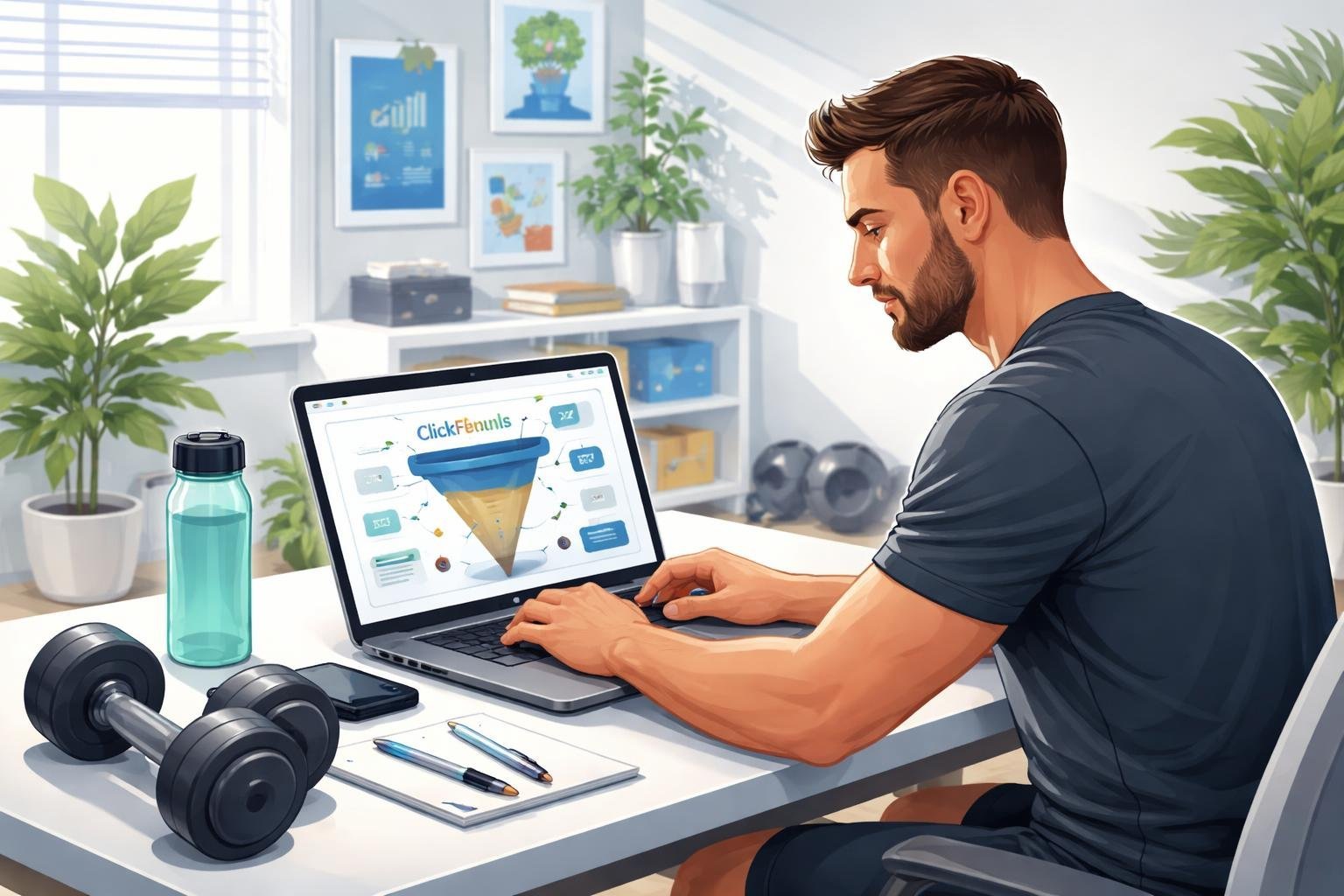
Getting your ClickFunnels account ready involves three main steps: creating and configuring your account, choosing and editing templates that work for fitness businesses, and connecting payment systems so clients can pay you easily.
Essential Account Setup Steps
We start by signing up for a ClickFunnels 2.0 account at their website. The platform offers a free trial period, which gives us time to explore the funnel builder before committing to a paid plan.
After creating our account, we need to add our business information. This includes our personal training business name, contact details, and branding elements like our logo and brand colors. We should also set up our custom domain name to make our funnels look professional.
The next step involves configuring our email settings. We connect our email service provider to send automated messages to potential clients. This lets us follow up with leads who show interest in our training services.
We also need to set up our workspace preferences. This includes adding team members if we work with other trainers and organizing our funnels into folders for easy access.
Customizing Funnel Templates
ClickFunnels templates give us a head start on building our sales funnels. The platform offers specific funnel templates designed for fitness professionals and personal trainers.
We browse the template library and select ones that match our goals. Common options include lead generation funnels for free workout guides, sales funnels for training packages, and booking funnels for consultation calls.
The drag-and-drop website builder makes editing simple. We click on any element to change text, swap images with photos of our gym or clients, and adjust colors to match our brand. We replace generic fitness content with our own training philosophy and success stories.
We customize the headlines to speak directly to our ideal clients. Instead of generic phrases, we use specific language about the results our training delivers.
Integrating Payment Gateways
Payment gateways let clients purchase our training services directly through our funnels. ClickFunnels works with major payment processors like Stripe and PayPal.
To connect Stripe, we go to settings and click on payment gateways. We enter our Stripe API keys, which we get from our Stripe dashboard. This takes about five minutes to set up.
For PayPal integration, we follow similar steps using our PayPal business account credentials. We can enable both payment gateways to give clients payment options.
We configure our product prices, set up subscription billing for monthly training packages, and enable one-time payments for single sessions. The system handles the transactions automatically and sends us notifications when clients make purchases.
Building High-Converting Funnels for Personal Trainers
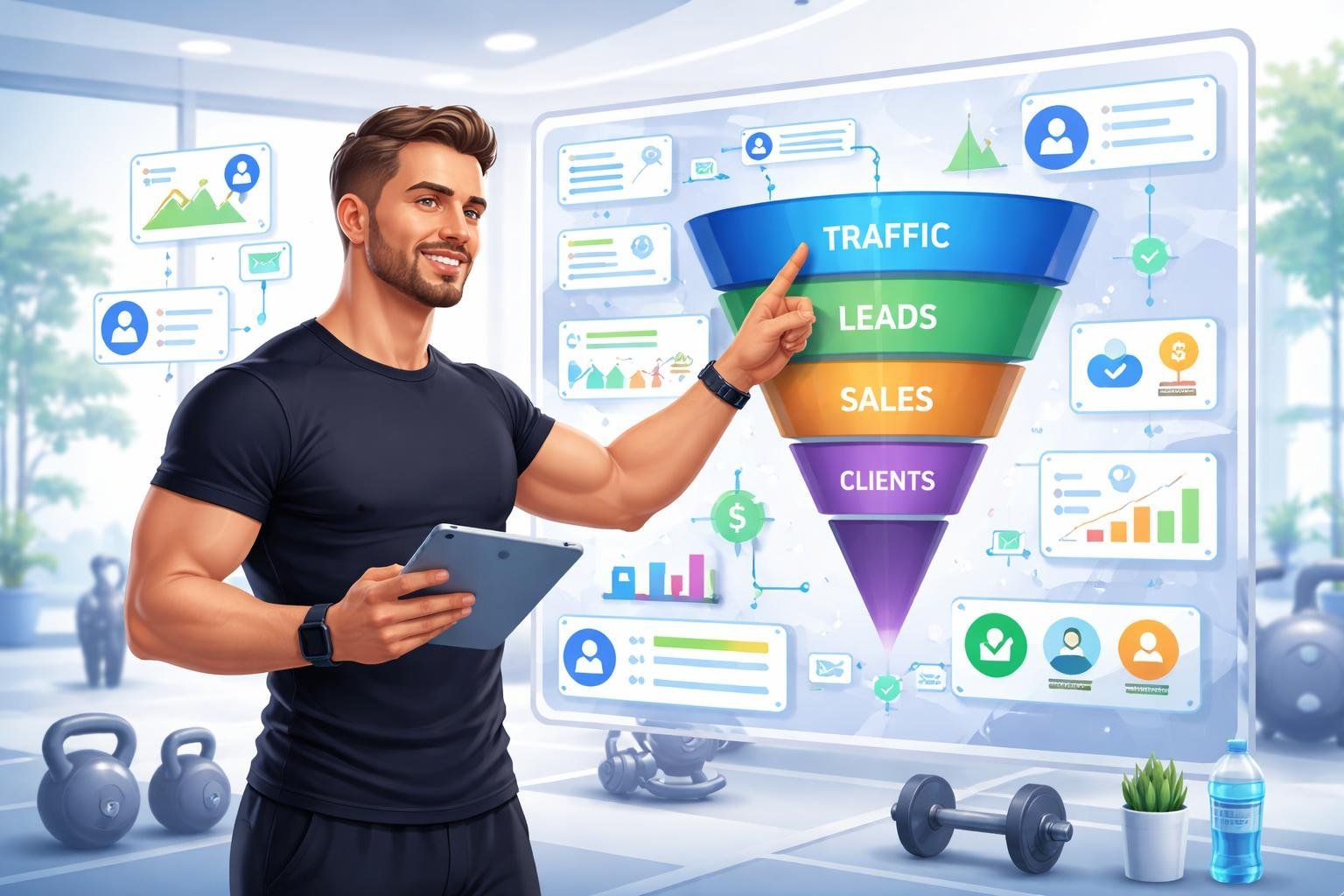
We need to focus on three main parts when building a sales funnel that actually converts: picking the right funnel type for our goals, making landing pages that grab attention, and setting up order forms with smart upsells that increase our revenue.
Choosing the Right Funnel Type
We have several funnel options to choose from based on what we want to achieve. A squeeze page funnel works best when we’re starting out and want to build our email list fast. This simple funnel shows one offer and collects email addresses in exchange for a lead magnet like a free workout plan or nutrition ebook.
Lead generation pages are perfect when we need more than just an email address. We can collect phone numbers, fitness goals, and current fitness levels to better qualify our leads.
If we’re ready to sell right away, a sales funnel with multiple steps lets us present our training packages and capture payments. We can start with a lead magnet, move to a low-cost offer, and then present our main training program. Each funnel type serves a different purpose in our business.
Creating Compelling Landing Pages
Our landing page needs a clear headline that speaks directly to our ideal client’s main problem. We should focus on one specific outcome like “Lose 20 Pounds in 90 Days” instead of vague promises.
The page layout should be simple and clean. We need a strong headline, 3-5 bullet points showing benefits, one image or video, and a bright call-to-action button. Too many choices confuse people and lower our conversion rates.
We must include social proof like client photos, testimonials, or the number of people we’ve helped. Real results from real people build trust fast. Our lead magnets should solve one specific problem our audience faces right now. Free workout plans, meal prep guides, and body assessment checklists work better than generic fitness ebooks.
Crafting Effective Order Forms and Upsells
Our order forms should only ask for information we actually need. For a free offer, we just need a name and email. For paid products, we add payment details but nothing extra that might stop someone from finishing.
We can add upsells right after someone buys our main offer. The first upsell should be related to what they just purchased. If they bought a 12-week training program, we can offer a nutrition plan or supplement guide for a discount.
Order bumps work well too. These are small add-ons that appear as checkboxes on our order forms. A meal planning template or workout tracker for $27 is easy to add with one click. We should test different upsell offers to see what our clients want most. The key is making each offer feel like a natural next step, not a pushy sales tactic.
Lead Generation and List Building Strategies
Building a strong email list gives us the foundation to create lasting relationships with potential clients. We can attract quality leads by offering valuable content, hosting educational webinars, and nurturing prospects through automated email sequences.
Leveraging Lead Magnets for Growth
Lead magnets are free resources we offer in exchange for a prospect’s contact information. The best lead magnets for personal trainers solve specific problems that our ideal clients face.
We can create workout guides, meal planning templates, or fitness assessment checklists. These resources should be simple to consume and deliver quick wins. A 7-day nutrition guide works better than a 100-page ebook because people want immediate value.
Popular lead magnet formats include:
- PDF workout plans or exercise libraries
- Video demonstrations of proper form
- Meal prep shopping lists
- Body measurement tracking sheets
- Fitness goal-setting worksheets
We should design our lead magnet landing pages with a single focus. The page needs a clear headline, bullet points explaining the benefits, and a simple opt-in form. We only need to collect an email address and first name to start.
Webinar Funnels for Personal Trainers
Webinar funnels let us showcase our expertise while building trust with potential clients. We can teach a specific skill or share our training philosophy during a live or automated webinar.
The registration page captures email addresses from interested prospects. We send reminder emails leading up to the event to boost attendance. During the webinar, we provide genuine value through education before making an offer for our services or online courses.
A good webinar follows a simple structure. We start with our story and credentials, teach valuable content for 30-40 minutes, then present our training program as the solution. The offer should feel like a natural next step for attendees who want more help.
We can repurpose successful webinars into evergreen workflows that run automatically. This approach generates leads 24/7 without requiring us to present live each time.
Lead Nurturing with Email Sequences
Email sequences turn subscribers into paying clients through consistent, valuable communication. We set up an email autoresponder that sends pre-written messages on a schedule after someone joins our list.
The first email should deliver the promised lead magnet immediately. Our welcome sequence introduces who we are, what we stand for, and how we help clients transform their fitness. We share success stories, training tips, and behind-the-scenes content over 5-7 emails.
Email marketing works best when we focus on serving rather than selling. We provide actionable advice in every message while naturally mentioning our services. A good ratio is 80% value and 20% promotion.
We should segment our list based on interests and behaviors. Someone who downloaded a weight loss guide needs different content than someone interested in strength training. This targeted approach makes our messages more relevant and increases conversion rates.
Optimizing and Automating Your Funnels
Once we have our funnels up and running, we need to make sure they work as well as possible and run on their own. We can test different versions of our pages, set up automated workflows to handle marketing tasks, and create follow-up sequences that nurture leads without us lifting a finger.
A/B Testing and Analytics
A/B testing lets us compare two versions of a page to see which one gets better results. We might test different headlines, button colors, or images to find what works best for our audience. ClickFunnels makes this easy by letting us split traffic between two versions and track which one gets more sign-ups or sales.
The analytics dashboard shows us important numbers like conversion rates, page views, and where people drop off in our funnel. We should check these numbers at least once a week to spot problems. If we see that 50% of people leave on our pricing page, we know we need to fix something there.
We can also track which traffic sources bring us the best leads. This helps us spend our marketing budget where it matters most.
Marketing Automation Workflows
Workflows are the backbone of our automation system in ClickFunnels. They let us set up if-then rules that trigger actions based on what our leads do. When someone downloads our free workout guide, we can automatically tag them, add them to an email list, and send them a welcome message.
We can create workflows that move people through our funnel based on their actions. If someone watches our training video but doesn’t book a call, we can send them a reminder email two days later. If they click a link about weight loss, we can tag them as interested in that topic and send relevant content.
These automations save us hours each week and make sure no lead falls through the cracks.
Follow-Up Funnels and Sequences
Follow-up funnels keep our leads engaged after their first interaction with us. We need to build sequences that deliver value and guide people toward becoming clients. A basic sequence might include five to seven emails sent over two weeks.
Our first email should deliver what we promised and thank them for signing up. The next few emails can share success stories, training tips, and answers to common questions. We should always include a clear call to action, like booking a free consultation or joining our program.
We can also set up follow-up sequences for people who didn’t take action. If someone puts our training package in their cart but doesn’t buy, we can send them a reminder email with a special offer. These follow-up automations often recover sales we would have otherwise lost.
Enhancing Client Experience and Monetization
ClickFunnels helps personal trainers create steady income through membership sites while building stronger client relationships. We can manage affiliates, communicate with clients directly, and turn our training expertise into multiple revenue streams.
Membership Sites and Online Communities
We can build membership sites within ClickFunnels to deliver ongoing workout programs, nutrition guides, and coaching content. A membership funnel lets us charge monthly or yearly fees for access to our exclusive training materials. The members area becomes a central hub where clients log in to access video tutorials, meal plans, and progress tracking tools.
We control exactly what content appears in each membership area based on subscription levels. Bronze members might get basic workouts while platinum members access personalized training and weekly group calls. This tiered approach lets us serve different budgets and commitment levels.
The platform makes it simple to drip-feed content over time. We can release new workout phases every four weeks or share nutrition tips weekly. This keeps members engaged and reduces overwhelm from too much information at once.
Affiliate Marketing Opportunities
ClickFunnels includes affiliate management tools that let us recruit others to promote our training programs. We set commission rates and provide affiliates with unique tracking links. When someone buys through their link, they earn a percentage and we gain a new client.
We can create an affiliate program for current clients who want to share our services with friends. Gym buddies, fellow trainers, or fitness influencers become partners in growing our business. The system tracks every sale and handles commission payouts automatically.
This approach expands our reach without spending money on ads. Affiliates do the marketing while we focus on training clients and creating great programs.
Integrating Chat and Support Features
The message hub in ClickFunnels lets us communicate directly with clients without jumping between different apps. We can answer questions about form, modify workout plans, or provide motivation right inside the platform. Quick responses show clients we care about their progress.
Chat features help us stay connected during the client journey. Someone might have questions before buying a membership or need guidance while browsing our store of training guides and supplements. We can address concerns in real time and turn browsers into buyers.
Support features also reduce confusion about accessing membership areas or finding specific content. When clients get fast help, they stick around longer and recommend us to others.
Advanced Tips and ClickFunnels Resources for Personal Trainers
ClickFunnels offers tools and training programs that help us improve our funnels and marketing skills. We can study successful examples, use copywriting tools, and access educational resources to grow our personal training business faster.
Funnel Hacking and Examples
Funnel hacking means studying successful funnels from other personal trainers and fitness professionals to understand what works. We can browse ClickFunnels examples in the marketplace or look at share funnel links from top coaches. This saves us time because we don’t have to create everything from scratch.
When we funnel hack, we should look at how other trainers structure their lead magnets, sales pages, and booking systems. We can see which headlines grab attention and what offers convert visitors into clients. The goal isn’t to copy but to learn and adapt ideas for our own fitness business.
ClickFunnels lets us use share funnel links to import complete funnels into our account. We can then customize these templates with our branding, services, and pricing. Many successful personal trainers share their funnels for free or for a small fee.
Utilizing Funnel Scripts for Copywriting
Funnel Scripts is a tool that helps us write sales copy without being professional writers. It uses fill-in-the-blank templates to create headlines, email sequences, and sales page text for our personal training services.
We can use Funnel Scripts to write compelling offers for our training packages. The tool asks us questions about our services and ideal clients, then generates copy we can use right away. This is helpful when we struggle to explain our value or write persuasive text.
The templates cover different funnel types including lead generation, webinar registrations, and sales pages. We also get access to copywriting secrets training that teaches us how to improve our messaging. This makes our funnels more effective at turning visitors into paying clients.
Leveraging the One Funnel Away Challenge and FunnelFlix
The One Funnel Away Challenge is a 30-day training program that walks us through building a complete funnel. We get daily lessons and assignments from expert marketers who teach us funnel strategy, offer creation, and traffic generation. This challenge costs around $100 and includes workbooks and live coaching calls.
FunnelFlix is ClickFunnels’ streaming platform with courses on marketing, sales, and business growth. We get access to training programs like the DotCom Secrets book content and other courses designed for coaches and trainers. These resources teach us how to build funnels that actually convert.
Both resources help us understand the strategy behind successful funnels for personal trainers. We learn not just how to use the software but how to create offers that attract our ideal fitness clients.
ClickFunnels Pricing, Support, and Getting Started
ClickFunnels offers multiple subscription plans with different features and limits, along with integrations and support options that help personal trainers manage their online business. The platform includes built-in CRM tools, security features, and access to help resources.
Subscription Plans and Discounts
ClickFunnels structures its pricing around four main tiers: Launch, Scale, Optimize, and Dominate. Each plan gives us access to core features like funnel building, email marketing, automation tools, and hosting.
The plans differ in their limits on contacts, courses, and emails we can send. Higher tiers unlock more capacity and advanced features we might need as our training business grows.
We can start with a 14-day free trial on any plan. This lets us test the platform before committing to a paid subscription.
ClickFunnels also offers an annual plan option. When we pay for three months upfront at $99, we get a discount compared to monthly billing. The annual pricing saves money if we plan to use the platform long-term.
All plans include unlimited funnels. This means we can create as many sales pages, booking funnels, and lead magnets as we need without extra charges.
CRM and Integration Options
The built-in CRM helps us track client information and manage our leads in one place. We can see where each potential client is in our sales process and follow up at the right time.
ClickFunnels includes pipelines that let us organize contacts based on their status. We might have separate pipelines for new leads, trial clients, and active members.
The platform offers calendars for booking appointments and consultations. Our clients can schedule calls directly through our funnels without using third-party tools.
We can connect ClickFunnels with other tools we already use. The integration options let us sync data between platforms and automate our workflow.
Support, Security, and Best Practices
ClickFunnels provides SSL security for all pages we create. This protects our clients’ information when they enter payment details or personal data.
We get access to 24/7 support through the help center and documentation. The platform also has a community of over 300,000 members where we can ask questions and get advice from other users.
The ClickFunnels Frameworks Library includes templates and guides that help us set up our business quickly. We can find pre-built funnels designed for fitness and coaching businesses.
We should start by choosing the right plan for our current client list size. It’s better to begin with a lower tier and upgrade as we grow rather than overpaying for features we don’t use yet.