An email sales funnel is a set of automated email sequences that turns a new subscriber into a buyer, then into a repeat buyer. Most working funnels run on five sequences: a welcome sequence that delivers the lead magnet, a nurture sequence that builds trust, a sales sequence around one offer, a cart recovery sequence for people who almost bought, and a post-purchase sequence that onboards buyers and introduces the next offer.
This guide maps each sequence to a funnel stage, gives sample outlines you can adapt, and shows how to build them in an email tool such as AWeber. Tool facts and compliance rules were checked on the vendors' and regulators' own pages on November 19, 2026.
What Is an Email Sales Funnel?
A sales funnel is the full path from first visit to purchase. An email sales funnel is the part of that path that happens in the inbox, after someone gives you their address.
Pages do the first job: an ad or post sends traffic to an opt-in page, and the visitor trades an email address for a free guide, checklist or video. From that moment, email does most of the selling. It delivers the freebie, answers objections, presents the offer and follows up with people who did not buy on the first visit.
There are two main types:
| Type | How People Enter | Typical Offer | Consent |
|---|---|---|---|
| Inbound (opt-in) email funnel | They sign up on your page | Courses, coaching, products, services | They asked to hear from you |
| Cold (outbound) email funnel | You email prospects first | B2B services, software demos, meetings | No prior opt-in; stricter rules apply |
Most of this guide covers the inbound type, because that is what funnel builders and email platforms are designed for. Cold email has its own section further down.
Email Funnel vs Email Newsletter
A newsletter sends the same message to everyone on a schedule. A funnel sends different messages based on what each person did: when they joined, which lead magnet they chose, whether they clicked, and whether they bought. Most businesses run both, with the funnel handling new subscribers and the newsletter handling everyone else.
In This Article
- What Is an Email Sales Funnel?
- Email Sales Funnel Stages Mapped to Sequences
- What You Need Before You Build
- The 5 Email Sequences in a Sales Funnel
- How to Build an Email Sales Funnel Step by Step
- Building It in AWeber
- Using Your Funnel Builder's Email Instead
- Email Sales Funnel Template
- Cold Email Sales Funnel
- Deliverability and Compliance
- Metrics to Track
- Common Email Funnel Mistakes
- Our Verdict
- Frequently Asked Questions
Email Sales Funnel Stages Mapped to Sequences
Each sales funnel stage needs a different kind of email. The table shows the job of each stage and the sequence that does it.
| Funnel Stage | What the Subscriber Is Thinking | Email Job | Sequence |
|---|---|---|---|
| Awareness | "Is this useful to me?" | Deliver the promised freebie fast | Welcome |
| Interest | "Do these people understand my problem?" | Teach, share stories, earn trust | Nurture |
| Consideration | "Is this offer right for me?" | Present the offer, handle objections | Sales |
| Decision | "Should I finish checking out?" | Remove the last obstacle | Cart recovery |
| Retention | "Did I make a good choice?" | Help them succeed, then offer the next step | Post-purchase |
The stages overlap. A subscriber can buy on day two, and someone else may need months. That is why tags and purchase triggers matter: they let each person skip the emails that no longer apply.
What You Need Before You Build

- 1One clear offer you want subscribers to buy
- 2A lead magnet that solves a small part of the same problem
- 3An opt-in page and a thank-you page
- 4An email platform with automation and tags
- 5A connection from your checkout so buyers get tagged
The most common reason an email funnel does not sell is a gap between the lead magnet and the offer. A free guide to meal planning attracts people who want meal planning, so the offer that follows should be closely related, such as a meal-plan membership, not an unrelated fitness program.
If you still need the pages, our guides to lead generation funnels and how to create a sales funnel cover the opt-in and checkout side.
The 5 Email Sequences in a Sales Funnel
The outlines below are sample structures, not fixed rules. Timing and length should change with your price point: a low-priced product can be pitched within days, while a high-ticket service may need weeks of nurture.
1. Welcome and Lead Magnet Delivery Sequence
This sequence starts the moment someone opts in. Its first email has one job: deliver what you promised, immediately.
| Send | Goal | |
|---|---|---|
| Immediately | Here is your [lead magnet] | Deliver the download link and set expectations |
| Day 1 | The quick win | Help them use the freebie and get one result |
| Day 2 | Who we are and why this matters | Short origin story tied to their problem |
| Day 3 | What to expect from these emails | Explain frequency and ask a reply question |
Asking for a reply in an early email helps you learn what subscribers want. Keep the welcome sequence short and useful; selling hard here usually lowers engagement for every email that follows.
2. Nurture Sequence
Nurture emails build the belief that your offer can solve their problem. They teach, share stories and answer the objections you hear most.
| Send | Goal | |
|---|---|---|
| Day 4 | The biggest mistake people make with [problem] | Reframe the problem |
| Day 6 | A customer or case story (only real, permitted ones) | Show the result is possible |
| Day 8 | The method behind the result | Explain your approach without the full how-to |
| Day 10 | Common objection answered | Remove a reason not to buy |
Russell Brunson's "Soap Opera Sequence" from DotCom Secrets is a well-known version of this idea: a short run of story-driven emails that each end with a hook into the next. Story works because it makes the offer feel like the natural next step rather than a pitch.
3. Sales Sequence
The sales sequence presents one offer over several days. It is where most email funnel revenue comes from.
| Send | Goal | |
|---|---|---|
| Day 1 | Introducing [offer] | What it is, who it is for, the price and the link |
| Day 2 | How it works | Walk through what buyers get |
| Day 3 | Questions answered | FAQ email covering price, time and fit |
| Day 4 | Proof | Real, permitted results or a detailed example |
| Day 5 | Who this is not for | Build trust by disqualifying poor fits |
| Final day | Last call | Only if a real deadline or bonus ends |
Two rules keep a sales sequence honest and effective. First, stop the sequence when someone buys, using a purchase tag. Second, only use real deadlines: if a bonus or price really ends, say so; do not invent fake scarcity.
4. Cart Abandonment Sequence
Cart abandonment emails go to people who started checkout but did not finish. They need two things your platform must support: capturing the email on the order form's first step, and a trigger for "started checkout, no purchase."
| Send | Goal | |
|---|---|---|
| About 1 hour after | Did something go wrong? | Link back to the checkout and offer help |
| Next day | Answers to common questions | Handle the objection that stopped them |
| Day 3 | Last reminder | Restate the offer and any real deadline |
Two-step order forms, which ask for name and email before payment details, make this sequence possible because you have the address even if the visitor leaves. Check that your funnel builder offers a two-step order form, or at least captures the email before payment, before you plan this sequence.
5. Post-Purchase Sequence
The sale is not the end of the funnel. Buyers who use what they bought are less likely to ask for refunds and more likely to buy again.
| Send | Goal | |
|---|---|---|
| Immediately | Receipt and access | Login details and the first step |
| Day 2 | Get your first result | A quick-start action |
| Day 5 | Check-in | Ask how it is going and offer support |
| Day 10 to 14 | The next step | Introduce the next offer in your value ladder |
That last email is where an email funnel becomes a value ladder: each purchase leads naturally to the next, higher-value offer.
How to Build an Email Sales Funnel Step by Step
- 1Choose one offer and one lead magnet that fit together
- 2Build the opt-in page and thank-you page
- 3Connect the opt-in form to your email platform and apply a tag such as lead-magnet-name
- 4Write the welcome sequence and set it to start on that tag
- 5Add the nurture and sales sequences after the welcome sequence ends
- 6Connect your checkout so buyers receive a purchase tag
- 7Set the purchase tag to remove buyers from sales emails and start the post-purchase sequence
- 8Add a cart abandonment trigger if your checkout supports it
- 9Send test sign-ups and a test purchase through every path
- 10Review clicks and sales after the first few hundred subscribers
Tags are the glue. One tag for each lead magnet tells you where people came from. One tag for each purchase tells the system which emails to stop and which to start. Without them, buyers keep getting pitched for something they already own.
Building It in AWeber
AWeber is a dedicated email platform with a free plan, which makes it a practical place to build a first email funnel. Its pricing page lists a 14-day free trial of the paid Lite and Plus plans, and its free plan covers up to 500 subscribers and 3,000 emails a month with no time limit.
Funnels in AWeber run on Workflows, its drag-and-drop automation builder. According to AWeber's knowledge base, every workflow starts in one of two ways:
- New subscribers who join through a specific sign-up method, such as one opt-in form.
- Subscribers who receive a specific tag, which can be applied by a form, an integration or another workflow.
Inside a workflow you can use these actions:
| Action | What It Does in Your Funnel |
|---|---|
| Send a Message | Sends an email at that point in the sequence |
| Wait | Sets a delay and a send window before the next step |
| Tag | Adds or removes tags, for example to mark buyers |
| Split Path | Branches based on behavior, such as whether an email was opened |
| Check Feed | Sends a message when a new RSS post appears |
A simple build looks like this: a "new subscriber" workflow for the welcome and nurture emails, a tag that moves people into a sales workflow, and a purchase tag (sent from your checkout through a native integration or Zapier) that starts the buyer workflow.
Good to Know
Plan limits matter. AWeber's pricing page lists 3 email automations on Lite and unlimited automations on Plus. A five-sequence funnel fits within Lite only if you combine sequences, so check the limits on our AWeber pricing page before you choose.
For AWeber's full feature set, see our AWeber review and AWeber pricing breakdown.
Using Your Funnel Builder's Email Instead
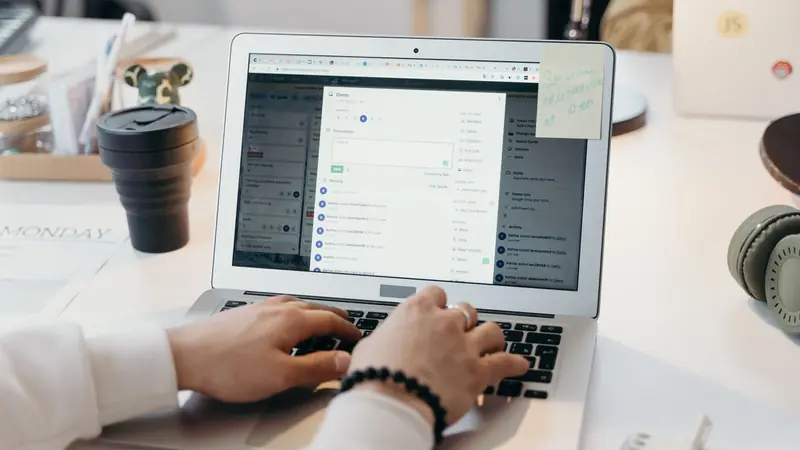
You do not always need a separate email platform. ClickFunnels, Systeme.io and GoHighLevel each include email sequences, tags and broadcasts, so the opt-in page, checkout and emails live in one account.
| Approach | Strength | Trade-Off |
|---|---|---|
| Funnel builder's built-in email | Purchases and opt-ins tag contacts automatically | Moving builders later means moving your list too |
| Dedicated email platform | Focused email tools and your list stays independent | Needs an integration between checkout and email |
Systeme.io's free plan includes email and funnels for up to 2,000 contacts, which makes it the cheapest way to run the whole funnel in one place. For what ClickFunnels' email can and cannot do, see ClickFunnels email marketing. For a side-by-side of dedicated tools, see our guide to the best email marketing software for funnels.
Email Sales Funnel Template
Use this as a starting template. Replace the brackets with your own topic and offer.
| Day | Sequence | Subject Line Idea | Call to Action |
|---|---|---|---|
| 0 | Welcome | Your [lead magnet] is inside | Download it |
| 1 | Welcome | Try this first | Use one page of the guide |
| 3 | Nurture | Why [common approach] fails | Reply with your biggest challenge |
| 5 | Nurture | How [real customer or you] got [result] | Read the full story |
| 7 | Sales | It's open: [offer] | See the details |
| 8 | Sales | What you get inside [offer] | View the offer |
| 9 | Sales | Your questions about [offer] | Check the FAQ |
| 11 | Sales | Last day for [real bonus] | Join before it ends |
| After purchase | Buyer | Welcome to [offer] - start here | Log in |
For the pages that sit around these emails, our sales funnel template covers the full map from traffic to checkout.
Cold Email Sales Funnel
A cold email funnel starts with you, not the subscriber. It is common in B2B sales, where the goal is usually a reply or a booked call rather than a checkout.
| Step | Inbound Funnel | Cold Email Funnel |
|---|---|---|
| Entry | Opt-in form | Researched prospect list |
| First email | Deliver a freebie | Short, personal reason for reaching out |
| Follow-ups | Nurture and sales sequences | A few brief follow-ups if there is no reply |
| Conversion | Purchase | Reply, meeting or demo |
| Tools | Email marketing platform | Sales engagement tool or CRM |
Cold email is not allowed on most email marketing platforms, which require subscribers to have opted in, so it usually runs from a separate sales tool and domain. For longer B2B cycles, see our B2B sales funnel guide.
Deliverability and Compliance
An email funnel only works if the emails reach the inbox. Google's sender guidelines require everyone sending to Gmail accounts to set up SPF or DKIM authentication and to keep spam rates reported in Postmaster Tools below 0.3%. Senders of 5,000 or more messages a day face extra rules, and marketing messages must support one-click unsubscribe with a visible unsubscribe link.
In the US, the FTC's CAN-SPAM guide requires each commercial email to include a valid physical postal address and a clear way to opt out. Opt-out requests must be honored within 10 business days, and the FTC lists penalties of up to $53,088 for each separate violating email.
Practical habits that help:
- Authenticate your sending domain before the funnel goes live.
- Send from a consistent name and address subscribers recognize.
- Remove people who never open or click after a long period.
- Never buy lists for an inbound funnel.
Metrics to Track
| Metric | What It Tells You | Where to Look |
|---|---|---|
| Opt-in rate | How well the page and lead magnet attract | Funnel builder page stats |
| Click rate per email | Which emails earn attention | Email platform reports |
| Sales per sequence | Which sequence actually sells | Checkout data tagged by sequence |
| Unsubscribe and spam rate | Whether emails feel relevant | Email platform and Postmaster Tools |
| Revenue per subscriber | The value of each new lead | Total sales divided by new subscribers |
Treat open rates with caution. Privacy features in some email apps load images automatically, which can inflate opens, so clicks and sales are more reliable signals. Our sales funnel metrics guide covers the formulas.
Common Email Funnel Mistakes
- Pitching buyers. Without a purchase tag, customers keep getting sales emails for something they own.
- A lead magnet that does not match the offer. The list grows but nobody buys.
- Long gaps after opt-in. Deliver the freebie immediately, while interest is highest.
- Fake urgency. Invented deadlines erode trust and can mislead buyers.
- Never testing. Send yourself through every path, including a test purchase, before driving traffic.
- Too many tools. Each extra integration is another place for tags to break.
Our Verdict
A strong email sales funnel does not need dozens of emails. It needs the five sequences in the right order, connected by tags that stop pitching people who already bought.
Start small: one lead magnet, one offer, a short welcome and sales sequence, and a purchase tag. A free plan such as AWeber's (up to 500 subscribers) is enough to build and test that first version. Once it sells, add cart recovery and post-purchase emails, then compare tools in our email software for funnels guide as your list grows.
Start Email Marketing With AWeber
Email newsletters, automations and landing pages, with a free plan for up to 500 subscribers.
Frequently Asked Questions
What Is an Email Sales Funnel?
An email sales funnel is a set of automated email sequences that moves a subscriber from signing up to buying. It usually includes a welcome sequence, nurture emails, a sales sequence, cart recovery emails and post-purchase follow-up.
How Many Emails Should Be in a Sales Funnel?
There is no fixed number. A common starting point is 3 to 5 welcome and nurture emails, 4 to 7 sales emails around one offer, 2 or 3 cart recovery emails and a short buyer onboarding sequence. Adjust based on your own click and sales data.
What Are the Stages of an Email Sales Funnel?
Most email funnels follow the buyer's stages - awareness, interest, consideration, decision and retention. Each stage maps to a sequence, from the welcome email to post-purchase onboarding and the next offer.
Can I Build an Email Sales Funnel for Free?
Yes, on a small list. AWeber's free plan covers up to 500 subscribers and 3,000 emails a month, and Systeme.io's free plan includes email and funnels for up to 2,000 contacts. Limits on automations apply on free plans.
What Is the Difference Between an Email Funnel and a Sales Funnel?
A sales funnel is the whole path from first visit to purchase, including pages such as opt-in, sales and checkout pages. An email funnel is the part of that path that happens in the inbox, after someone has given you their address.
Is a Cold Email Sales Funnel Legal?
In the US, commercial email is allowed without prior consent under CAN-SPAM, but each message needs accurate headers, a valid postal address and a working opt-out honored within 10 business days. Other countries, such as those under GDPR, set stricter consent rules.
Do I Need a Separate Email Tool If I Use a Funnel Builder?
Not always. ClickFunnels, Systeme.io and GoHighLevel all include email automation. A dedicated email platform makes sense when you want stronger deliverability tools, more segmentation or the ability to switch funnel builders without moving your list.
Build Your Email Sales Funnel on a Free Plan
AWeber's free plan covers up to 500 subscribers and 3,000 emails a month, so you can set up a welcome sequence and test your funnel before you pay.
Try AWeber Free